
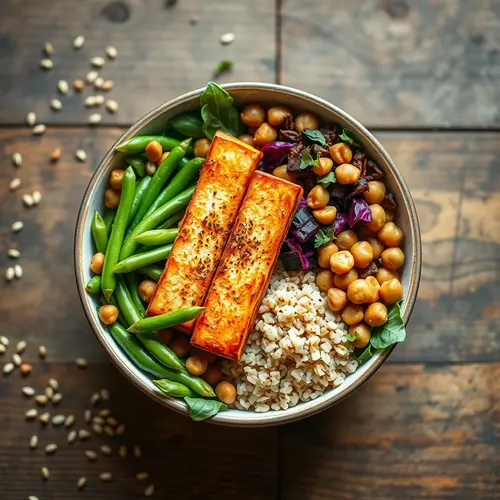
15 High Protein Vegan Meal Ideas That Pack 25g+ Per Serving
Table of Contents
High protein vegan meal portions delivering 20-30 grams of complete protein from plant sources need no animal products. Meeting your protein requirements on a vegan diet requires strategic food combinations and understanding which plants pack the most protein per serving. The recommended dietary allowance sits at 0.8 grams per kilogram of body weight, though athletes and active individuals need 1.2-2.0 grams per kilogram according to the Academy of Nutrition and Dietetics.
Why High Protein Vegan Meals Matter for Your Health
Protein drives muscle synthesis, immune function, and hormone production. Plant proteins offer additional fiber, antioxidants, and phytonutrients that animal sources lack. The outdated myth about “incomplete” plant proteins has been thoroughly debunked by nutrition science. Your body maintains an amino acid pool throughout the day. You don’t need to combine proteins in every single meal. Eating varied plant proteins across 24 hours provides all essential amino acids your body requires for optimal function.Protein by Numbers: What 25g Looks Like
Building a high protein vegan meal starts with knowing your protein powerhouses. These foods deliver maximum protein per serving:| Food Source | Serving Size | Protein Content | Calories |
|---|---|---|---|
| Tempeh | 1 cup (166g) | 31g | 319 |
| Seitan | 3.5 oz (100g) | 25g | 370 |
| Edamame | 1 cup (155g) | 18g | 189 |
| Lentils (cooked) | 1 cup (198g) | 18g | 230 |
| Chickpeas (cooked) | 1 cup (164g) | 15g | 269 |
| Hemp Seeds | 3 tbsp (30g) | 10g | 166 |
| Nutritional Yeast | 2 tbsp (16g) | 8g | 60 |
15 Real High Protein Vegan Meal Examples
Breakfast Options for High Protein Vegan Meals
Tempeh Scramble Bowl: Crumbled tempeh (31g), sautéed spinach (2g), avocado (2g), nutritional yeast (8g), whole grain toast (4g). Total: 47g protein. Protein-Packed Smoothie Bowl: Pea protein powder (25g), hemp seeds (10g), almond butter (7g), chia seeds (4g), topped with granola (3g). Total: 49g protein. Tofu Breakfast Burrito: Firm tofu (20g), black beans (15g), peppers, salsa, whole wheat tortilla (4g). Total: 39g protein.Lunch and Dinner High Protein Vegan Meal Combinations
Seitan Stir-Fry: Seitan strips (25g), edamame (18g), brown rice (5g), cashews (5g), vegetables. Total: 53g protein. Lentil Power Bowl: Cooked lentils (18g), quinoa (8g), tahini dressing (3g), roasted chickpeas (7g), mixed greens (2g). Total: 38g protein. Chickpea Curry Mastery: Chickpeas (15g), coconut milk powder (2g), tofu cubes (10g), served over rice (5g) with naan (3g). Total: 35g protein. Black Bean Burger Deluxe: Black bean patty (15g), whole wheat bun (5g), hemp seed topping (10g), side of lentil soup (9g). Total: 39g protein. Mediterranean Mezze Plate: Hummus (12g), falafel (12g), whole wheat pita (5g), tabbouleh with quinoa (4g). Total: 33g protein.Quick Assembly Meals
Protein Pasta Supreme: Lentil pasta (25g), nutritional yeast sauce (8g), white beans (15g), sun-dried tomatoes. Total: 48g protein. Buddha Bowl Classic: Tempeh bacon (20g), chickpeas (15g), quinoa (8g), tahini (3g), kale (2g). Total: 48g protein. Tex-Mex Power Plate: Pinto beans (15g), seitan crumbles (25g), corn (3g), guacamole, brown rice (5g). Total: 48g protein.One-Pot Wonders
Protein-Loaded Chili: Kidney beans (15g), black beans (15g), TVP (textured vegetable protein, 12g), vegetables, spices. Total: 42g protein. Thai Peanut Noodles: Edamame (18g), tofu (10g), rice noodles (3g), peanut sauce (8g), vegetables. Total: 39g protein. Moroccan Lentil Stew: Red lentils (18g), chickpeas (15g), quinoa side (8g), almonds (6g). Total: 47g protein. Asian Tofu Rice Bowl: Extra-firm tofu (20g), edamame (18g), brown rice (5g), sesame seeds (3g), bok choy (2g). Total: 48g protein.How Plant Protein Absorption Works
Plant protein bioavailability ranges from 70-90% compared to animal protein. Maximize absorption through these evidence-based strategies:- Soak and sprout legumes to reduce phytic acid and increase digestibility by 20-30%
- Ferment soy products (tempeh, miso) to enhance nutrient availability
- Pair iron-rich plants with vitamin C sources to boost mineral absorption
- Cook beans thoroughly to deactivate enzyme inhibitors
- Space protein intake across multiple meals rather than loading one meal
Common Mistakes That Sabotage Your Goals
Many people undershoot protein targets by relying too heavily on low-protein vegetables. A salad with chickpeas sounds healthy but may only deliver 8-10 grams. Build meals around protein-dense foods first, then add vegetables and grains. Another trap: assuming all plant-based products are protein-rich. Many veggie burgers contain only 5-8 grams per serving. Read labels carefully and prioritize whole food sources over processed alternatives.Expert Strategy: Protein Timing for Athletes
Distribute your protein intake evenly throughout the day. Research from the International Society of Sports Nutrition shows that consuming 20-30 grams per meal, eaten every 3-4 hours, maximizes muscle protein synthesis better than loading most protein into dinner. Pre-workout timing matters less than total daily intake. Post-workout, aim for a protein-rich meal within 2 hours to support recovery, though the “anabolic window” is wider than previously believed.Meal Prep Blueprint for Maximum Efficiency
Batch-cook your protein sources on Sunday. Prepare 2-3 pounds of tempeh, 4 cups of lentils, and 2 blocks of tofu. Store in airtight containers for 5-day freshness. Pre-portion into meal containers with grains and vegetables. Keep protein boosters on hand: nutritional yeast, hemp seeds, pumpkin seeds, and nut butters. These add 5-10 grams quickly to any meal without cooking.Budget-Friendly Protein Sources
Dried legumes cost $1-2 per pound and provide 25-30 servings. Lentils, black beans, and split peas offer the best protein-per-dollar ratio. Tofu typically costs $2-3 per block (40g protein). TVP costs under $5 per pound and delivers 50g protein per cup when rehydrated. Skip expensive protein powders if your budget is tight. Whole food sources provide protein plus fiber, minerals, and phytonutrients that isolated powders lack.Debunking the “Weak Plant Protein” Myth
Plant proteins build muscle just as effectively as animal proteins when total protein and calories are matched. A meta-analysis published in Sports Medicine found no significant difference in strength gains between plant and animal protein sources among resistance-trained individuals. Elite vegan athletes across powerlifting, bodybuilding, and endurance sports prove that plant proteins support peak performance. The key is hitting your total protein target through strategic food selection.Your Action Plan for Success
Start by calculating your protein needs: multiply your weight in kilograms by 1.6 (for active individuals). Track your intake for 3 days using a nutrition app to identify gaps. Build each meal around a primary protein source from the table above. Every high protein vegan meal you create should combine at least two protein sources for amino acid variety. Experiment with different cuisines to prevent monotony. Indian, Mediterranean, and Asian cuisines offer endless high-protein plant-based combinations. With proper planning and knowledge of protein-dense foods, meeting your protein requirements on a vegan diet becomes straightforward and delicious. Focus on variety, preparation methods, and consistent daily intake rather than chasing perfect protein timing or expensive supplements. Compare weekly plans in our lean protein foods and complete vegan proteins; guidance at Academy of Nutrition backs portions. A planned high protein vegan meal beats random eating daily.Frequently Asked Questions (FAQs)
Verdict: Plan Protein by Day, Not by Meal
Combine legumes, grains, and seeds daily, prep one batch protein, and track variety across the week.
How much protein does a high protein vegan meal need?
Aim 20-30 grams per meal across three meals daily. A high protein vegan meal at that size covers most active adults.
What are the cheapest high-protein vegan foods?
Lentils, tofu, oats and peanut butter lead on cost per gram. Buy dry goods bulk and rotate them weekly.
Do you need protein powder on vegan diets?
Rarely with planning. Whole-food combos hit targets; powders only fill gaps during heavy training blocks.

Wibi Sena
Wibi Sena is a senior nutrition writer at Organic Raw Diet covering evidence-based vegan nutrition and plant protein. 5+ years, 200+ guides. Method: RCTs, USDA database, and Cochrane reviews. Author of 1,641 nutrition guides since 2022.