
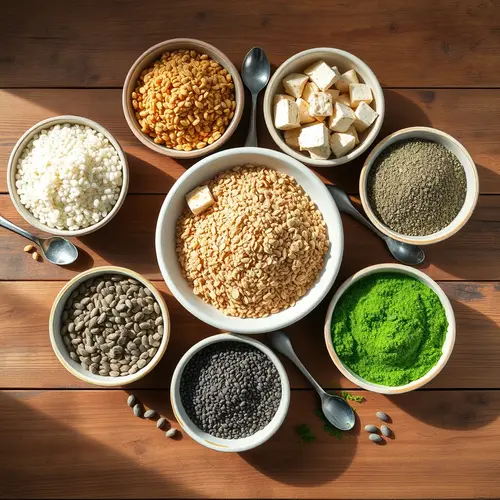
Complete Vegetable Protein: 7 Plant Sources Explained
Table of Contents
Complete vegetable protein sources matter for anyone following a plant-based diet or reducing animal products. Unlike incomplete proteins that lack one or more essential amino acids, complete proteins contain all nine amino acids your body cannot produce on its own. This distinction directly impacts muscle synthesis, immune function, and overall cellular repair.
The myth that plant foods cannot provide complete proteins has been thoroughly debunked by nutritional science. While animal products naturally contain all essential amino acids in optimal ratios, several plant sources deliver the same nutritional completeness without requiring complex food combining at every meal.
Understanding Complete Vegetable Protein Composition
Your body requires nine essential amino acids: histidine, isoleucine, leucine, lysine, methionine, phenylalanine, threonine, tryptophan, and valine. A complete protein contains adequate amounts of all nine. Most plant proteins fall short in one or two amino acids, typically lysine or methionine. The biological value of a protein measures how efficiently your body uses it. According to research from the American Journal of Clinical Nutrition, protein quality depends on amino acid composition and digestibility. Plant proteins generally have slightly lower digestibility than animal sources, but this gap narrows significantly when comparing high-quality plant foods to lower-quality animal products.
Top Plant Sources of Complete Vegetable Protein
Quinoa: The Andean Powerhouse
Quinoa stands as one of the most accessible complete vegetable protein sources. One cooked cup provides approximately 8 grams of protein with all essential amino acids in balanced proportions. Its lysine content particularly distinguishes it from most grains, which typically lack adequate amounts of this amino acid. Beyond protein, quinoa delivers magnesium, iron, and fiber. The seed’s protein concentration ranges from 14-18% of its dry weight, comparable to many legumes.Soy Products: Versatile and Nutrient-Dense
Soybeans and their derivatives rank among the highest-quality plant proteins available. Tofu, tempeh, edamame, and isolated soy protein all qualify as complete proteins. A half-cup of firm tofu contains roughly 20 grams of protein with an amino acid profile rivaling beef. The protein digestibility-corrected amino acid score (PDCAAS) for soy protein reaches 1.0, the maximum score indicating excellent quality. Despite outdated concerns about phytoestrogens, major health institutions including the American Heart Association recognize soy as a valuable protein source.Buckwheat: The Misnamed Seed
Despite its name, buckwheat contains no wheat and qualifies as a complete protein source. One cup of cooked buckwheat groats provides 6 grams of protein with balanced amino acids. Buckwheat’s protein concentration hovers around 13-15% by dry weight. This pseudocereal also delivers resistant starch and rutin, a flavonoid with antioxidant properties. Its nutty flavor works well in both sweet and savory applications.Amaranth: Ancient Grain, Modern Nutrition
Amaranth joins the elite group of plant-based complete proteins. This ancient grain provides approximately 9 grams of protein per cooked cup, with particularly high lysine levels compared to common cereals. The protein content ranges from 13-14% of dry weight. Amaranth’s small seeds cook into a porridge-like consistency, making it ideal for breakfast bowls or as a thickening agent in soups.Hemp Seeds: Compact Nutrition
Three tablespoons of hemp seeds deliver 10 grams of complete vegetable protein along with omega-3 and omega-6 fatty acids in an optimal 3:1 ratio. The protein consists of approximately 65% edestin and 35% albumin, both highly digestible globular proteins. Hemp seeds provide all essential amino acids in adequate amounts. Their mild, nutty taste blends easily into smoothies, salads, and baked goods.Chia Seeds: Small but Mighty
Two tablespoons of chia seeds contain 4 grams of complete protein. While the absolute quantity seems modest, the protein quality remains high with balanced amino acid ratios. Chia’s ability to absorb liquid and form a gel makes it useful for puddings and as an egg substitute in baking. The seeds also pack fiber, calcium, and alpha-linolenic acid (ALA), an omega-3 fatty acid.Spirulina: The Algae Exception
This blue-green algae contains 60-70% protein by dry weight, making it one of the most protein-dense foods available. Two tablespoons of spirulina powder provide 8 grams of complete protein. The protein quality matches or exceeds most plant sources, with high digestibility. Spirulina also delivers B vitamins, iron, and various antioxidants. Its intense flavor works best when blended into smoothies or mixed with other foods.Amino Acid Profile Comparison
| Protein Source | Protein per 100g | Lysine Content | Leucine Content | PDCAAS Score |
|---|---|---|---|---|
| Soy Protein | 36g | High | High | 1.0 |
| Quinoa | 14g | Adequate | Adequate | 0.92 |
| Hemp Seeds | 32g | Adequate | High | 0.66 |
| Spirulina | 57g | High | High | 0.84 |
| Amaranth | 14g | High | Adequate | 0.84 |
Protein Combining: Still Relevant?
The outdated concept that you must combine specific plant foods at every meal to create complete proteins has been abandoned by nutritional science. Your body maintains an amino acid pool, drawing from proteins consumed throughout the day. As long as you eat varied plant proteins within a 24-hour period, your body receives all essential amino acids in adequate amounts. That said, strategic combinations can optimize protein intake at individual meals. Pairing legumes (rich in lysine but low in methionine) with grains (rich in methionine but low in lysine) creates a complementary amino acid profile. Classic examples include rice and beans, hummus and whole wheat pita, or peanut butter on whole grain bread.Expert Insight: The Leucine Factor
One overlooked aspect of complete vegetable protein evaluation involves leucine content. This branched-chain amino acid triggers muscle protein synthesis more effectively than other amino acids. While most complete plant proteins contain adequate leucine, the threshold for optimal muscle building sits around 2-3 grams per meal. Soy protein and hemp seeds meet this threshold easily. Quinoa and amaranth fall slightly short, which matters primarily for athletes or older adults focused on muscle preservation. Adding a scoop of pea protein isolate (though technically incomplete on its own) to these sources bridges the gap effectively.Digestibility Considerations
Raw protein content differs from absorbable protein. Plant foods contain antinutrients like phytic acid and tannins that can reduce protein digestibility. Cooking, soaking, sprouting, and fermenting significantly improve bioavailability. Fermented soy products like tempeh and miso offer better digestibility than raw soybeans. Soaking quinoa and amaranth before cooking reduces phytic acid content. These preparation methods enhance the practical value of complete vegetable protein sources.Practical Application for Different Goals
Muscle Building
Athletes and bodybuilders need approximately 1.6-2.2 grams of protein per kilogram of body weight. Distribute protein intake across 4-5 meals, aiming for 25-30 grams per meal with adequate leucine content. Combine soy products, hemp seeds, and quinoa to meet these targets without supplementation.Weight Management
Protein increases satiety and supports metabolic rate during calorie restriction. Plant-based complete proteins often come packaged with fiber, which further enhances fullness. A breakfast bowl with quinoa, hemp seeds, and spirulina provides lasting energy with minimal blood sugar spikes.General Health Maintenance
The recommended dietary allowance sits at 0.8 grams per kilogram of body weight. Most adults easily meet this through varied plant-based eating that includes several complete vegetable protein sources weekly. Rotating between quinoa, soy products, and seeds ensures nutritional diversity beyond just amino acids.Common Misconceptions Debunked
Plant proteins do not inherently cause digestive issues. Gas and bloating typically result from sudden increases in fiber intake or inadequate chewing, not from the protein itself. Gradual incorporation allows your digestive system to adapt. Another persistent myth claims plant proteins cannot support athletic performance. Multiple professional athletes thrive on plant-based diets, and research published in Nutrients journal found no significant difference in strength gains between animal and plant protein sources when total protein and leucine intake remained equivalent.Storage and Preparation Tips
Most seeds and grains store well in airtight containers away from heat and light. Hemp seeds and chia seeds contain delicate omega-3 fats that benefit from refrigeration to prevent rancidity. Properly stored, these items maintain nutritional value for 6-12 months. Batch cooking quinoa, amaranth, or buckwheat saves time during busy weeks. These grains reheat well and work in both hot and cold dishes. Spirulina powder requires no preparation but loses potency when exposed to high heat, so add it to finished dishes rather than cooking it.Building a Complete Protein Pantry
- Keep 2-3 different complete protein grains on rotation (quinoa, amaranth, buckwheat)
- Stock both hemp seeds and chia seeds for easy additions to any meal
- Maintain a variety of soy products (firm tofu, tempeh, edamame)
- Store spirulina powder for nutrient-dense smoothie boosting
- Combine incomplete proteins like lentils with grains for complementary amino acid profiles
Frequently Asked Questions (FAQs)
What is complete vegetable protein?
Protein containing all nine essential aminos in useful amounts. Complete vegetable protein from soy, quinoa or buckwheat needs no combining at all.
Do you still need to combine plant proteins?
Rarely within single meals. Daily variety across complete vegetable protein sources covers needs without charts or math.
Which complete vegetable protein is cheapest?
Soy milk, tofu and lentils lead on cost per gram. Complete vegetable protein from bulk bins stretches budgets furthest.

Wibi Sena
Wibi Sena is a senior nutrition writer at Organic Raw Diet covering evidence-based vegan nutrition and plant protein. 5+ years, 200+ guides. Method: RCTs, USDA database, and Cochrane reviews. Author of 1,641 nutrition guides since 2022.