
protein for vegan athletes
Complete Guide to Protein for Vegan Athletes
Table of Contents
Plant-based athletes need between 1.4 to 2.0 grams of protein per kilogram of body weight daily to support muscle recovery and performance. Protein for vegan athletes comes from diverse whole food sources like legumes, tofu, tempeh, seitan, and quinoa, combined with strategic meal timing and complementary amino acid pairing.
Why Protein for Vegan Athletes Matters More Than You Think
Athletic performance depends on adequate protein intake for muscle protein synthesis, tissue repair, and immune function. The Academy of Nutrition and Dietetics confirms that well-planned vegan diets can meet all nutritional needs for athletes at any level.
The challenge is not whether plant proteins work. It is about understanding protein quality, digestibility, and strategic intake patterns that maximize absorption.
Animal proteins contain all nine essential amino acids in optimal ratios. Plant proteins often lack one or more, requiring thoughtful combinations to create complete amino acid profiles.
Breaking Down Protein Quality and Digestibility
The PDCAAS (Protein Digestibility Corrected Amino Acid Score) measures protein quality. Soy protein scores 1.0, matching whey and casein. Most other plant proteins score between 0.7 and 0.9.
This lower score means vegan athletes should aim for the higher end of protein recommendations. Where an omnivorous athlete might thrive on 1.6 g/kg, a vegan athlete benefits from 1.8-2.0 g/kg bodyweight.
Digestibility matters because your body cannot use what it cannot absorb. Cooking, soaking, and fermenting plant foods increases protein bioavailability significantly.
Complete vs. Incomplete Proteins: The Real Story
The myth that vegans must combine proteins at every meal has been debunked. Your body maintains an amino acid pool throughout the day.
However, strategic pairing still optimizes muscle protein synthesis. Rice and beans create a complete profile. Hummus with whole grain pita provides all essential amino acids.
Single complete vegan proteins include soy, quinoa, buckwheat, hemp seeds, and chia seeds. Building meals around these simplifies meal planning.
Top Food Sources of Protein for Vegan Athletes
| Food Source | Protein per 100g | Leucine Content | Digestibility |
|---|---|---|---|
| Tempeh | 19g | High | Excellent (fermented) |
| Seitan | 25g | Moderate | Very Good |
| Edamame | 11g | High | Excellent |
| Lentils (cooked) | 9g | Moderate | Good |
| Hemp Seeds | 32g | Moderate | Very Good |
| Nutritional Yeast | 50g | High | Excellent |
Leucine, the key amino acid that triggers muscle protein synthesis, deserves special attention. Soy-based foods and nutritional yeast deliver the highest leucine content among plant proteins.
A practical target is 2.5-3 grams of leucine per meal to maximize anabolic response. This translates to roughly 30-40 grams of total protein per meal for most vegan sources.
Strategic Meal Timing and Distribution
Spreading protein for vegan athletes across four to five meals optimizes muscle protein synthesis better than loading it into one or two large meals. Each feeding opportunity should contain 25-40 grams of protein.
The anabolic window concept has been overstated, but post-workout nutrition still matters. Consuming 20-30 grams of easily digestible protein within two hours of training supports optimal recovery.
Pre-sleep protein intake (30-40 grams) provides amino acids during the overnight fasting period. A shake made with soy protein or a meal with tempeh and quinoa works effectively.
Sample Daily Protein for Vegan Athletes Protocol
- Breakfast (7:00 AM): Tofu scramble with nutritional yeast, spinach, and whole grain toast – 32g protein
- Mid-Morning (10:00 AM): Protein smoothie with soy milk, hemp seeds, banana, and nut butter – 25g protein
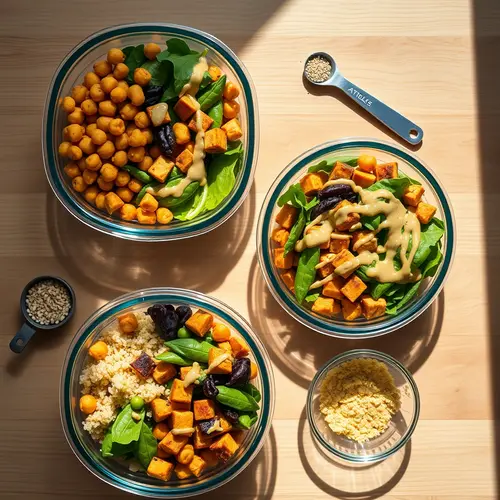
- Lunch (1:00 PM): Buddha bowl with quinoa, chickpeas, tahini, and vegetables – 28g protein
- Post-Workout (4:30 PM): Lentil pasta with tempeh marinara – 35g protein
- Dinner (7:30 PM): Seitan stir-fry with edamame and brown rice – 38g protein
This protocol delivers 158 grams total for a 75kg (165lb) athlete, meeting 2.1 g/kg bodyweight target.
Supplementation: When Food Is Not Enough
Whole foods should provide the foundation, but supplements offer convenience and precision. Pea protein, rice protein, and soy protein isolates all support muscle growth comparably to whey when total intake is adequate.
Research published in the Journal of the International Society of Sports Nutrition shows no significant difference in strength or body composition outcomes between vegan and omnivorous athletes when protein intake is controlled.
Blended plant protein powders combining pea, rice, and hemp create superior amino acid profiles compared to single-source options. Look for products providing at least 2.5g leucine per serving.
Critical Micronutrients for Protein for Vegan Athletes
Protein metabolism requires adequate B vitamins, iron, zinc, and vitamin D. Vegan athletes should monitor these through periodic blood work.
Iron from plant sources has lower bioavailability. Pairing iron-rich foods with vitamin C enhances absorption. Cooking in cast iron cookware adds supplemental iron to meals.
Vitamin B12 supplementation is non-negotiable for vegans. This vitamin is essential for red blood cell formation and neurological function. A weekly 2000 mcg supplement or daily 50 mcg dose works effectively.
Debunking the Incomplete Protein for Vegan Athletes
One persistent misconception claims that protein for vegan athletes cannot support elite performance. Multiple Olympic medalists, ultramarathon champions, and professional athletes have proven otherwise.
The key is not the protein source but total intake and distribution. A 2019 position paper by the Academy of Nutrition and Dietetics confirmed that appropriately planned vegetarian and vegan diets support athletic performance at all levels.
The real difference lies in volume. Vegan athletes typically need to consume more total food volume to hit protein targets because plant foods contain more fiber and water. This requires intentional meal planning.
Practical Troubleshooting for Common Challenges
Digestive discomfort often occurs when athletes rapidly increase legume intake. Gradual increases over two to three weeks allow gut bacteria to adapt. Sprouting, soaking, and pressure cooking reduce anti-nutrients that cause bloating.
Inadequate caloric intake is more common than protein deficiency. High-fiber vegan diets create satiety before energy needs are met. Adding calorie-dense foods like nut butters, avocados, and oils prevents energy deficits.
Travel and social situations require preparation. Protein powder, roasted chickpeas, and energy bars ensure options when whole food choices are limited.
Protein for Vegan Athletes: The Recovery Equation
After coaching hundreds of plant-based athletes, the pattern is clear: those who prioritize protein distribution over total quantity see better recovery markers. Five meals of 30 grams outperforms three meals of 50 grams.
The leucine threshold concept explains why. Once you trigger maximum muscle protein synthesis (around 2.5-3g leucine per meal), additional protein gets oxidized for energy or converted to other compounds.
Smart vegan athletes use this knowledge to optimize timing rather than obsessing over hitting 200+ grams daily. Quality and distribution trump quantity.
Building Your Personal Protocol – Protein for Vegan Athletes
Start by calculating your baseline requirement using the 1.6 g/kg bodyweight formula. Add 0.2-0.4 g/kg if you are in a muscle-building phase or doing high-volume training.
Track intake for one week using a nutrition app to identify gaps. Most vegan athletes underestimate serving sizes and overestimate protein content.
Adjust meal structure to distribute protein evenly across eating occasions. Frontload breakfast and post-workout meals since these are when muscle protein synthesis is most responsive.
Long-Term Success with Protein for Vegan Athletes
Sustainability matters more than perfection. Building meals around enjoyable, protein-rich foods creates consistency. Tofu, tempeh, and legumes become staples rather than chores.
Variety prevents nutrient gaps and maintains diverse gut bacteria. Rotating between different protein sources throughout the week optimizes micronutrient intake.
Monitoring performance metrics and recovery provides objective feedback. Strength progression, training capacity, and subjective recovery scores indicate whether your protein for vegan athletes strategy is working.
The evidence is clear: plant-based diets support athletic excellence when protein intake is adequate, well-distributed, and derived from high-quality sources. Focus on whole foods first, supplement strategically, and let performance guide your adjustments.

Wibi Sena is a senior nutrition writer at Organic Raw Diet covering evidence-based vegan nutrition and plant protein. 5+ years, 200+ guides. Method: RCTs, USDA database, and Cochrane reviews. Author of 1,641 nutrition guides since 2022.