
plant protein list: 30 top sources for muscle & recovery
Table of Contents
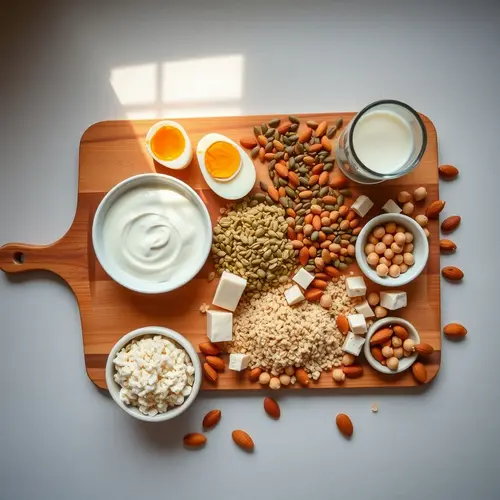
Why a plant protein list matters for active lifestyles
Athletes need consistent protein to stimulate muscle protein synthesis after training, and a curated plant protein list lets you compare leucine content quickly. Leucine acts as the primary trigger for the anabolic pathway that drives growth. Selecting high‑leucine foods shortens recovery windows.Building your own plant protein list for meal prep
Start with staple items you already buy, then add one new source each week to keep the plant protein list fresh and practical. Track grams per serving in a spreadsheet or app for instant reference. This habit turns the list into a living tool rather than a static chart.Focus on foods that deliver at least eight grams of protein per standard serving, such as lentils, chickpeas, tempeh, and hemp seeds. Rotate these options across breakfast, lunch, and dinner to maintain variety. Variety also guards against micronutrient shortfalls that can appear with repetitive diets.Use a simple column for food name, serving size, total protein, and leucine amount to make comparisons effortless. Update the sheet after grocery trips so the data stays current. Consistent tracking reveals patterns that guide smarter shopping decisions.| Food | Serving | Protein (g) | Leucine (g) |
|---|---|---|---|
| Cooked lentils | 1 cup | 18 | 1.6 |
| Chickpeas | 1 cup | 15 | 1.3 |
| Tempeh | 100 g | 19 | 1.7 |
| Hemp seeds | 3 tbsp | 10 | 0.9 |
| Quinoa | 1 cup cooked | 8 | 0.7 |
| Edamame | 1 cup | 17 | 1.5 |
- Prioritize foods with ≥8 g protein per serving.
- Combine grains and legumes each day for a complete amino‑acid profile.
- Track leucine to ensure each meal hits the 2–3 g threshold.
- Batch‑cook staples on weekends for quick assembly.
- Hydrate well to support protein metabolism.
30 Best Foods for Your Plant Protein List
Use this grouped reference to build meals without counting every gram by hand. Values are cooked or ready-to-eat unless noted.
Legumes and pulses
Lentils (18 g per cup), chickpeas (15 g), black beans (15 g), kidney beans (15 g), pinto beans (14 g), edamame (17 g), and split peas (16 g) form the backbone of a budget-friendly plant protein list.
For a closer look at this topic, see Plant-Based Protein Guide: How Much You Need and Where to Get .
Whole grains
Quinoa (8 g per cup), amaranth (9 g), buckwheat (6 g), oats (6 g per half cup dry), wild rice (7 g), and whole-wheat pasta (7 g) add protein while supplying slow carbohydrates for training days.
Nuts and seeds
Hemp hearts (10 g per 3 tablespoons), pumpkin seeds (9 g per ounce), peanuts (7 g), almonds (6 g), pistachios (6 g), chia seeds (5 g per 2 tablespoons), and sunflower seeds (6 g) make easy toppings for bowls and salads.
Soy and fermented options
Tempeh (19 g per 100 g), firm tofu (17 g per 100 g), natto (18 g), and edamame pasta (24 g per 100 g dry) deliver complete protein and fit savory meals. Choose plain versions to limit sodium.
Vegetables that contribute
Green peas (8 g per cup), spinach (5 g per cooked cup), broccoli (4 g), sweet corn (5 g), and mushrooms (3 g) add smaller but useful amounts across the day.
How Much Protein Do You Need for Muscle Recovery?
Most active adults benefit from 1.2 to 1.6 grams of protein per kilogram of body weight daily, according to position stands from sports-nutrition bodies. For a 70 kg person, that is roughly 84 to 112 grams. Spread intake across three or four meals so each feeding provides 20 to 30 grams, a range linked with repeated muscle-repair signals.
Endurance athletes and people in a calorie deficit may sit at the top of that range. Older adults may also need more per meal to overcome age-related anabolic resistance. A written plant protein list makes those targets concrete instead of abstract.
Sample One-Day High-Protein Plant Menu
Breakfast: overnight oats with soy milk, hemp hearts, and berries (25 g). Lunch: lentil bowl with quinoa, roasted vegetables, and tahini (28 g). Snack: edamame with sea salt (17 g). Dinner: tempeh stir-fry with brown rice and broccoli (30 g). Total: about 100 grams without supplements.
Pair this menu with the broader vegan protein sources guide when you want more variety. Readers who prefer dairy-free but not fully vegan meals can compare options in this high protein vegetarian diet plan. For lower-fat choices, see the lean protein foods list.
A common myth claims that plant proteins are inferior because they lack leucine, yet research in the Journal of the International Society of Sports Nutrition shows that many legumes exceed the leucine threshold per gram of protein. The plant protein list makes it easy to spot those high‑leucine stars. Dismissing plant sources outright limits dietary flexibility.Harvard T.H. Chan School of Public Health reports that a leucine intake of roughly two to three grams per meal maximizes muscle protein synthesis for most adults. Foods like soybeans, pumpkin seeds, and seitan hit that mark in a single serving. Planning meals around these options simplifies the nutrition puzzle.Distribute protein evenly across three to four eating occasions rather than loading it all at dinner. Even spacing keeps amino‑acid levels stable and supports continuous repair. A quick snack of roasted edamame or a peanut butter toast fits neatly into this schedule.Budget‑friendly staples such as dry beans, bulk oats, and peanut butter deliver high protein per dollar. Buying in larger quantities reduces cost and packaging waste. Pairing these staples with seasonal vegetables creates nutrient‑dense meals without inflating the grocery bill.Choosing plant proteins also lowers greenhouse‑gas emissions compared with most animal sources, according to life‑cycle analyses published by major environmental agencies. Swapping a single beef portion for a lentil‑based dish can cut the meal’s carbon footprint by more than half. Small shifts add up across a population.Prepare batch‑cooked beans and grains on a weekend to streamline weekday assembly. Portion them into containers with a drizzle of olive oil and a pinch of salt for flavor. Ready‑to‑go components cut cooking time to under ten minutes per meal.Watch out for hidden sodium in canned legumes and flavored protein powders; rinse canned beans thoroughly to cut excess salt. Over‑reliance on processed meat alternatives can crowd out whole‑food nutrients. Whole sources keep the nutrient matrix intact.If total protein still falls short, a high‑quality pea or rice protein isolate can bridge the gap without adding animal products. Choose products that list a complete amino‑acid profile on the label. Supplements should complement, not replace, the whole‑food base.Hydration supports protein metabolism, so aim for at least two liters of water daily. Pair each protein‑rich meal with a glass of water or herbal tea. Proper fluid balance improves digestion and nutrient transport.Keep your plant protein list handy, update it as you discover new foods, and let it guide every grocery run. Consistent use builds confidence that you meet protein goals without guesswork. The result is stronger recovery, better satiety, and a lighter planetary impact.How much protein is on a good plant protein list?
Aim for foods that supply at least 7 to 8 grams per serving. Legumes, tempeh, tofu, hemp hearts, and seitan sit above that line, so a few servings cover most of the daily target.
Can you build muscle without animal protein?
Yes. resistance training plus 1.2 to 1.6 grams of protein per kilogram daily supports muscle growth. Soy, legumes, and grains supply the needed amino acids when intake is consistent.
Is a plant protein list enough for complete protein?
Variety across the day covers all essential amino acids. Pairing grains with legumes improves the profile, but strict combining at every meal is not required by current nutrition guidance.

Wibi Sena is a senior nutrition writer at Organic Raw Diet covering evidence-based vegan nutrition and plant protein. 5+ years, 200+ guides. Method: RCTs, USDA database, and Cochrane reviews. Author of 1,641 nutrition guides since 2022.