
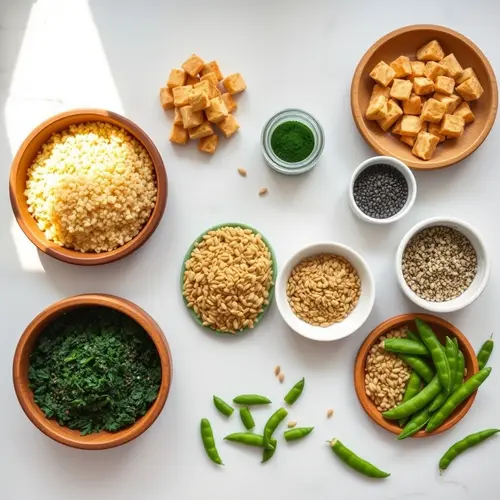
Complete Vegan Proteins: 7 Foods with All Aminos
Table of Contents
Complete vegan proteins end the worry about getting adequate protein on a plant-based diet. They contain all nine essential amino acids your body cannot produce on its own. These include histidine, isoleucine, leucine, lysine, methionine, phenylalanine, threonine, tryptophan, and valine. Understanding which vegan foods qualify as complete proteins eliminates the guesswork from plant-based nutrition planning.
Understanding the Science Behind Complete Vegan Proteins
Your body requires 20 amino acids to build proteins, but it can synthesize only 11 of them. The remaining nine must come from food. Animal products naturally contain all essential amino acids in adequate ratios. Plant proteins, however, typically lack sufficient quantities of one or more essential amino acids, particularly lysine and methionine. The biological value of protein measures how efficiently your body can use it. According to the Protein Digestibility-Corrected Amino Acid Score (PDCAAS) developed by the Food and Agriculture Organization, a complete protein scores close to 1.0. Most plant proteins score between 0.5 and 0.9, but several vegan sources achieve complete protein status.7 Complete Vegan Proteins You Can Eat Daily
Soy-Based Foods Lead the Complete Vegan Proteins Category
Soybeans and their derivatives rank as the most versatile complete proteins in plant-based nutrition. Tofu, tempeh, edamame, and soy milk all provide the full amino acid spectrum. A cup of cooked soybeans delivers approximately 29 grams of protein with a PDCAAS of 1.0, matching animal protein quality. Tempeh offers additional benefits through fermentation, which enhances nutrient bioavailability and adds beneficial probiotics. Research from the Academy of Nutrition and Dietetics confirms that soy protein supports muscle synthesis as effectively as whey protein when consumed in adequate amounts.Quinoa: The Ancient Grain Complete Protein
Quinoa stands alone among grains as a complete protein source. This pseudocereal contains all nine essential amino acids, with particularly high lysine content compared to wheat or rice. One cup of cooked quinoa provides 8 grams of protein and offers a complete amino acid profile that makes it valuable for vegan athletes and active individuals. The grain’s protein content ranges from 14-18% by dry weight, significantly higher than most cereals. Its amino acid balance closely resembles the ideal pattern recommended by the World Health Organization.Hemp Seeds Pack Dense Nutrition
Three tablespoons of hemp seeds contain 10 grams of complete protein with exceptional digestibility. Hemp protein contains adequate amounts of all essential amino acids, particularly arginine and glutamic acid. The seeds also provide omega-3 and omega-6 fatty acids in an optimal 3:1 ratio.Chia Seeds Deliver Surprising Protein Quality
Despite their small size, chia seeds qualify as complete vegan proteins with all nine essential amino acids present in sufficient quantities. Two tablespoons provide 4 grams of protein along with substantial fiber and omega-3 content. The protein content reaches 14% by weight, with particularly strong showings in tryptophan and phenylalanine.Buckwheat Defies Its Name
Buckwheat contains no wheat and serves as another pseudocereal with complete protein status. It provides high-quality protein with excellent lysine levels, the amino acid most often limiting in plant proteins. Buckwheat’s protein digestibility exceeds 80%, comparable to many animal proteins.Spirulina: The Algae Protein Powerhouse
This blue-green algae contains 60-70% protein by dry weight, making it one of the most protein-dense foods available. A single tablespoon of spirulina powder provides 4 grams of complete protein. The amino acid profile matches the FAO reference pattern closely, though some experts debate its methionine content adequacy.Ezekiel Bread Through Strategic Combination
Ezekiel bread combines sprouted grains and legumes to create a complete protein profile. The specific combination of wheat, barley, beans, lentils, millet, and spelt provides all essential amino acids. Two slices deliver 8 grams of complete protein through complementary amino acid profiles.The Protein Complementation Myth Debunked
Outdated nutritional advice insisted you must combine specific plant proteins at every meal to create complete proteins. This stems from Frances Moore Lappé’s 1971 book “Diet for a Small Planet,” which she later revised. Your body maintains an amino acid pool, drawing from proteins consumed throughout the day. The American Dietetic Association confirms that consuming various protein sources over the day provides all essential amino acids without requiring meticulous meal-by-meal combinations. Your liver stores and releases amino acids as needed, making strategic timing unnecessary for most people.Comparing Amino Acid Profiles of Top Vegan Sources
| Food Source | Protein per 100g | PDCAAS Score | Limiting Amino Acid |
|---|---|---|---|
| Soybeans | 36g | 1.0 | None |
| Quinoa | 14g | 0.87 | None (trace lysine) |
| Hemp Seeds | 32g | 0.66 | Lysine (minor) |
| Spirulina | 57g | 0.82 | Methionine (debated) |
| Chia Seeds | 17g | 0.78 | None |
Practical Implementation Strategy
Meeting protein requirements on a vegan diet becomes straightforward when you incorporate complete vegan proteins strategically. Adult protein needs range from 0.8 to 1.2 grams per kilogram of body weight daily, with athletes requiring higher amounts.Building a Complete Vegan Proteins Meal Plan
Start your day with chia pudding or quinoa porridge for 8-10 grams of complete protein. Add hemp seeds to smoothies or salads for mid-day protein boosts. Include tofu, tempeh, or edamame in lunch and dinner preparations for 15-20 grams per serving. A sample daily intake might include:- Breakfast: Quinoa bowl with hemp seeds (15g protein)
- Lunch: Tempeh Buddha bowl (20g protein)
- Snack: Spirulina smoothie (8g protein)
- Dinner: Tofu stir-fry with buckwheat noodles (25g protein)
Troubleshooting Common Protein Adequacy Concerns
Athletes and highly active individuals often question whether complete vegan proteins support performance and recovery. Research published in nutrition journals demonstrates that plant-based athletes achieve similar muscle protein synthesis rates when consuming adequate total protein and calories. The key lies in volume. Plant proteins contain more fiber and bulk than concentrated animal proteins, requiring larger portion sizes. If you struggle with satiety, focus on concentrated sources like tofu, tempeh, and protein-fortified plant milks rather than relying solely on whole grains and legumes.Expert Opinion: The Leucine Threshold Consideration
While most discussion focuses on complete amino acid profiles, leucine content deserves attention for muscle building. This branched-chain amino acid triggers muscle protein synthesis most effectively. Soy products, particularly soy protein isolate, contain leucine levels comparable to whey. Other complete vegan proteins like hemp and spirulina provide adequate leucine when consumed in sufficient quantities, though you may need larger servings compared to soy or animal proteins.Beyond Completeness: Protein Quality Factors
Complete amino acid profiles tell only part of the story. Digestibility affects how much protein your body actually absorbs and uses. Soybeans score highest among plant proteins for digestibility at 91%. Sprouting, fermenting, and cooking increase protein digestibility by breaking down anti-nutritional factors like phytates and trypsin inhibitors. Combining complete vegan proteins with vitamin C-rich foods enhances iron absorption from plant sources. Pairing tofu with bell peppers or adding lemon juice to quinoa bowls maximizes nutrient bioavailability.Meeting Increased Protein Needs on Plants
Pregnancy, lactation, illness recovery, and intense training increase protein requirements. The International Society of Sports Nutrition recommends 1.6-2.2 grams per kilogram for athletes building muscle. Vegan athletes can meet these targets by consuming complete vegan proteins at each meal and incorporating concentrated sources like protein powders derived from soy, pea, or hemp. Splitting protein intake across 4-5 meals optimizes muscle protein synthesis better than consuming large amounts in one sitting. Aim for 20-30 grams per meal from complete sources to maximize leucine exposure and anabolic response. Understanding complete vegan proteins empowers you to build a nutritionally adequate plant-based diet without constant calculation or worry. Incorporating diverse sources like soy, quinoa, hemp, and spirulina ensures you receive all essential amino acids in optimal ratios. The protein complementation approach, while not harmful, adds unnecessary complexity to meal planning. Focus instead on eating varied whole food sources throughout the day, and your amino acid needs will take care of themselves naturally. Compare staples in our vegan protein sources and lean protein foods; amino references at Healthline add background. Varied complete vegan proteins keep nutrition covered.Frequently Asked Questions (FAQs)
Which budget proteins are cheapest?
Soy, lentils and oats lead on cost per gram. Bulk bins stretch budgets furthest.
Do athletes need more protein?
Yes, roughly double the base intake around training. Timed intake post-workout speeds recovery.
Can kids thrive on complete vegan proteins?
Yes with varied whole foods and B12 attention. They cover aminos; a pediatrician personalizes the rest.
For the complete picture, see our guide to vegan protein sources.

Wibi Sena
Wibi Sena is a senior nutrition writer at Organic Raw Diet covering evidence-based vegan nutrition and plant protein. 5+ years, 200+ guides. Method: RCTs, USDA database, and Cochrane reviews. Author of 1,641 nutrition guides since 2022.