
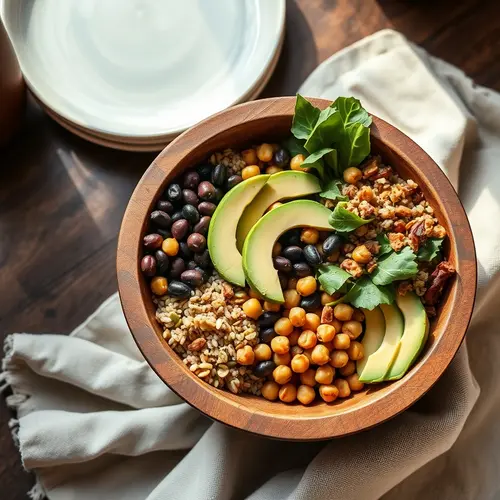
how can vegans get all amino acids
How Can Vegans Get All Amino Acids: Complete Guide
Table of Contents
Understanding Essential Amino Acids and Complete Proteins
Essential amino acids are protein building blocks your body cannot manufacture internally. Nine amino acids fall into this category: histidine, isoleucine, leucine, lysine, methionine, phenylalanine, threonine, tryptophan, and valine. Complete proteins contain adequate amounts of all nine essential amino acids. Animal products naturally provide complete proteins, but several plant sources also qualify as complete proteins. The Academy of Nutrition and Dietetics confirms that well-planned vegan diets can meet protein requirements at all life stages. The outdated concept of mandatory protein combining at every meal has been debunked. Your body maintains an amino acid pool throughout the day, drawing from various food sources consumed over 24 hours.How Can Vegans Get All Amino Acids Through Complete Plant Proteins
Several plant foods contain all essential amino acids in sufficient quantities. Quinoa stands as one of the most accessible complete proteins, delivering approximately 8 grams of protein per cooked cup with a balanced amino acid profile. Soy products including tofu, tempeh, and edamame provide complete protein comparable to animal sources. A half-cup of firm tofu supplies roughly 20 grams of protein with all essential amino acids. Hemp seeds offer another complete option with 10 grams of protein per three tablespoons. Buckwheat, despite its name, contains no wheat and provides complete protein along with fiber and minerals. Chia seeds and spirulina also qualify as complete proteins, though spirulina should be considered a supplement rather than a primary protein source.Complementary Protein Combinations for How Can Vegans Get All Amino Acids
When plant foods lack certain amino acids in optimal amounts, combining different protein sources throughout the day ensures complete intake. Legumes typically contain abundant lysine but limited methionine, while grains show the opposite pattern. Classic combinations that deliver complete amino acid profiles include:- Rice and beans (any variety)
- Whole wheat bread with peanut butter
- Lentil soup with barley
- Hummus with whole grain pita
- Oatmeal topped with pumpkin seeds
- Corn tortillas with black beans
Optimal Daily Protein Requirements and Amino Acid Ratios
The recommended dietary allowance stands at 0.8 grams of protein per kilogram of body weight for adults. Active individuals and athletes may require 1.2 to 2.0 grams per kilogram. Meeting total protein needs with varied plant sources virtually guarantees adequate essential amino acid intake. Leucine deserves particular attention for muscle protein synthesis. Research published in nutritional science journals indicates leucine triggers the mTOR pathway, initiating muscle building. Vegans can obtain sufficient leucine from soy products, seitan, pumpkin seeds, and peanuts.| Plant Protein Source | Protein per 100g | Limiting Amino Acid | Best Complementary Food |
|---|---|---|---|
| Lentils | 9g | Methionine | Brown rice, seeds |
| Quinoa | 4.4g | None (complete) | N/A |
| Brown Rice | 2.6g | Lysine | Beans, lentils |
| Hemp Seeds | 32g | None (complete) | N/A |
| Chickpeas | 8.9g | Methionine | Tahini, whole grains |
| Almonds | 21g | Lysine | Legumes |
Practical Meal Planning Strategies
Building meals around complete plant proteins simplifies amino acid optimization. Start your day with quinoa porridge or tofu scramble. Include tempeh in lunch salads or grain bowls. Prepare dinner around lentil-based dishes paired with whole grains. Snacking on mixed nuts, seeds, and legume-based spreads distributes protein intake evenly throughout the day. This approach maintains steady amino acid availability for cellular functions.Expert Analysis: The Protein Combining Myth Debunked
Nutrition science has evolved significantly regarding vegan protein requirements. The historical “complete protein” anxiety stemmed from the 1971 book “Diet for a Small Planet,” which later editions corrected. Frances Moore Lappé herself acknowledged that complementary proteins need not be consumed simultaneously. The human body maintains sophisticated amino acid recycling mechanisms. Cellular proteins continuously break down and rebuild, contributing amino acids to the available pool. This metabolic flexibility means vegans eating adequate calories from varied whole food sources naturally obtain sufficient amino acids. Position papers from the American Dietetic Association emphasize that conscious combining is unnecessary. Simply consuming diverse protein sources across meals provides all essential amino acids. The obsessive focus on combining creates unnecessary complexity and potentially discourages people from adopting plant-based eating patterns.Addressing Common Deficiency Concerns
Lysine represents the amino acid vegans should monitor most carefully. Legumes, soy products, pistachios, and pumpkin seeds deliver abundant lysine. Including these foods regularly prevents potential shortfalls. Leucine needs increase for muscle building and recovery. Vegans engaged in resistance training benefit from emphasizing high-leucine foods like soybeans, seitan, and nutritional yeast. Supplementation is rarely necessary when total protein intake meets recommendations. Methionine concerns are largely overstated. While some plant foods contain less methionine than animal products, the amounts in seeds, Brazil nuts, and oats prove adequate when total protein needs are met.Optimizing Bioavailability and Absorption
Protein digestibility affects amino acid utilization. Cooking, soaking, and fermenting plant proteins enhances digestibility. Sprouting grains and legumes reduces antinutrients like phytic acid that can interfere with mineral absorption. Fermented soy products like tempeh and miso offer superior digestibility compared to plain tofu. The fermentation process predigests proteins into more accessible forms. Adding vitamin C-rich foods to meals containing plant proteins can further enhance iron absorption from the same foods. Understanding how can vegans get all amino acids empowers confident plant-based nutrition choices. The science confirms that varied vegan diets easily provide complete amino acid profiles without complicated meal planning. Focus on consuming adequate total protein from diverse whole food sources, and your amino acid needs will naturally be satisfied.Frequently Asked Questions (FAQs)
Can vegans get all essential amino acids?
Yes. Eating a variety of legumes, grains, nuts, seeds, and soy across the day supplies all nine essential amino acids, because the body pools them over 24 hours.
Do plant proteins lack certain amino acids?
Most plant foods are lower in one or two amino acids, but none is missing entirely. Pairing legumes with grains, or adding soy, closes any gaps.
Do you need protein powder for amino acids?
No. Whole foods cover amino acid needs; a vegan protein powder is only a convenience for athletes or people with very high targets.
For the complete picture, see our guide to vegan protein sources.

Wibi Sena is a senior nutrition writer at Organic Raw Diet covering evidence-based vegan nutrition and plant protein. 5+ years, 200+ guides. Method: RCTs, USDA database, and Cochrane reviews. Author of 1,641 nutrition guides since 2022.