
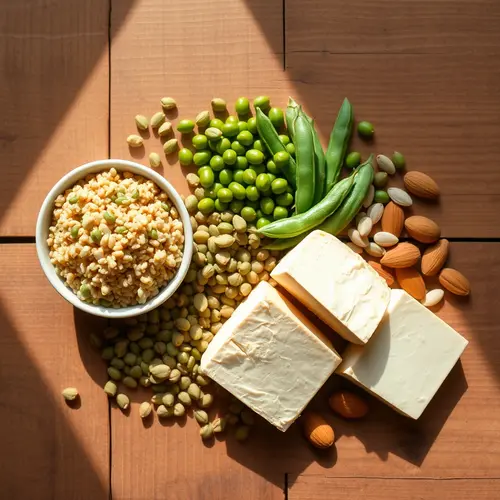
plant based protein sources list
The Definitive Plant Based Protein Sources List for Peak Nutrition
Table of Contents
What are the most effective, nutrient-dense foods for building a strong body without animal products? This comprehensive plant based protein sources list answers that foundational question, providing the practical knowledge to achieve your health and fitness goals.
Building muscle, maintaining metabolic function, and feeling satiated throughout the day all require adequate protein intake. For decades, popular wisdom suggested this could only come from meat, eggs, and dairy. That outdated perspective has been conclusively overturned by nutritional science. A diverse, whole-foods approach using plants not only meets protein needs but also delivers fiber, phytonutrients, and complex carbohydrates animal sources lack.
The key is understanding bioavailability and amino acid profiles. While individual plant foods may be lower in certain essential amino acids, consuming a variety throughout the day ensures you get a complete spectrum. This concept, known as protein complementation, is simpler than it sounds. It happens naturally when you eat grains with legumes or nuts with seeds.
Core Categories in a Complete Plant Based Protein Sources List
Organizing protein sources by category simplifies meal planning. Each group offers distinct nutritional advantages beyond protein content.
Legumes: The Foundation of Plant Based Protein
This family includes lentils, beans, chickpeas, and peas. They are powerhouse foods, typically providing 15-18 grams of protein per cooked cup. Lentils, for example, are a staple in global cuisines for their versatility and quick cooking time. Clinical reviews in journals like The American Journal of Clinical Nutrition consistently highlight legumes for their role in supporting cardiovascular health and stabilizing blood sugar, thanks to their high fiber content.
Black beans and kidney beans form the base of countless dishes, from chilies to salads. Their texture and mild flavor make them incredibly adaptable. For a concentrated source, consider lupini beans, which offer nearly 40 grams of protein per cup.
Whole Grains: More Than Just Carbs
Grains are unfairly relegated to the carbohydrate category. Many are significant protein contributors. A cooked cup of quinoa delivers about 8 grams of complete protein, meaning it contains all nine essential amino acids. This is a rarity in the plant kingdom and why quinoa is often singled out.
Farro, spelt, and teff are other ancient grains packing 6-10 grams of protein per cooked cup. Oats, a breakfast staple, provide around 6 grams per half-cup of dry rolled oats. Pairing these grains with legumes creates a protein profile that rivals any steak.
Soy Foods: The High Plant Based Protein Workhorse
Soy is in a league of its own regarding protein density and completeness. Foods like tofu, tempeh, and edamame are non-negotiable items on any serious plant based protein sources list. A 3-ounce serving of firm tofu contains roughly 8 grams of protein, while the same amount of tempeh offers about 16 grams.
The National Institutes of Health Office of Dietary Supplements notes that soy protein is equivalent in quality to animal protein. Tempeh, a fermented product, has the added benefit of being rich in probiotics. For those with soy sensitivities, the next category is critical.
Plant Based Protein – Nuts and Seeds: Concentrated Nutrition
While higher in fat, nuts and seeds provide protein in a potent package. Hemp seeds are a standout, with 10 grams of protein per three-tablespoon serving, alongside a favorable omega-3 to omega-6 fatty acid ratio. Pumpkin seeds (pepitas) and chia seeds are other excellent choices.
Peanuts, technically a legume, and almonds are common go-tos. A quarter-cup of almonds provides about 7 grams of protein. Their portability makes them ideal for snacking. Nut and seed butters offer the same benefits in a spreadable form, though watch for added sugars and oils in commercial brands.
| Food Source | Serving Size | Protein (grams) | Key Additional Nutrients |
|---|---|---|---|
| Lentils (cooked) | 1 cup | 18 | Fiber, Iron, Folate |
| Tempeh | 3 oz (85g) | 16 | Probiotics, Calcium |
| Black Beans (cooked) | 1 cup | 15 | Fiber, Antioxidants |
| Hemp Seeds | 3 Tbsp | 10 | Omega-3, Magnesium |
| Quinoa (cooked) | 1 cup | 8 | Complete Protein, Manganese |
| Firm Tofu | 3 oz (85g) | 8 | Calcium, Isoflavones |
| Peanut Butter | 2 Tbsp | 7 | Healthy Fats, Niacin |
| Rolled Oats (dry) | 1/2 cup | 6 | Beta-Glucan Fiber, Zinc |
Expert Implementation: Beyond the Plant Based Protein
Knowing the sources is step one. Integrating them effectively is where experience separates theory from results. A common mistake is focusing solely on protein grams while ignoring overall dietary patterns. The Academy of Nutrition and Dietetics emphasizes that balanced plant-based diets are appropriate for all stages of life, provided they are well-planned.
Consider this practical scenario: an athlete complains of fatigue and slow recovery on a plant-based diet. Their food log shows they’re hitting protein targets but primarily from processed meat analogues and protein powders. The issue isn’t protein quantity but quality and micronutrient support.
The solution involves shifting to whole-food sources from our plant based protein sources list. Swap the morning protein shake for a bowl of steel-cut oats topped with hemp seeds and berries. Replace a processed veggie burger at lunch with a large bowl of lentil soup and a quinoa salad. This increases fiber, antioxidants, and mineral content, which directly supports energy metabolism and tissue repair. The protein target is met with foods that actively reduce inflammation.
Debunking the “Incomplete Protein” Myth
A persistent myth suggests you must meticulously combine plant proteins at every meal. This stems from research that has been widely misinterpreted. The body maintains a pool of amino acids. As long as you consume a variety of protein sources over the course of a day, it will assemble complete proteins as needed. You do not need to eat rice and beans in the same sitting.
The more relevant focus is on lysine, an essential amino acid that can be lower in grains. Ensuring daily intake of legumes, quinoa, pumpkin seeds, or tofu easily covers lysine requirements. This liberates meal planning from unnecessary complexity.
Building Your Daily Intake Plant Based Protein
Use this actionable framework to apply the list.
- Breakfast: Anchor with a protein base. Think tofu scramble, oatmeal with nut butter, or a smoothie with soy milk and hemp seeds.
- Lunch: Make legumes or soy the centerpiece. A chickpea salad wrap, a bowl of chili with kidney beans, or a tempeh stir-fry over brown rice.
- Dinner: Reinforce with another serving from a different category. Lentil pasta, black bean tacos with a side of quinoa, or a curry with edamame and peas.
- Snacks: Utilize portable options. A handful of almonds, roasted chickpeas, or a slice of whole-grain toast with peanut butter.
Track your intake for a few days using a nutrition app. You’ll likely find reaching standard recommendations of 0.8 to 1.2 grams of protein per kilogram of body weight is straightforward with this approach. For strength athletes, bumping intake toward the higher end of that range may be beneficial, easily achieved by increasing portion sizes of the foods already on your plate.
Ultimately, this plant based protein sources list is a tool for empowerment. It moves the conversation away from restriction and toward abundance. You have a vast array of foods that build health from the ground up. By prioritizing whole foods from these core categories, you create a dietary pattern that supports longevity, performance, and overall well-being. The evidence from decades of nutritional epidemiology is clear: diets rich in these plant proteins are associated with some of the best long-term health outcomes.

Wibi Sena is a senior nutrition writer at Organic Raw Diet covering evidence-based vegan nutrition and plant protein. 5+ years, 200+ guides. Method: RCTs, USDA database, and Cochrane reviews. Author of 1,641 nutrition guides since 2022.