
Functions of Fats in the Body: A Practical Guide
Table of Contents
Functions of fats in the body include energy storage, hormone production, cell structure, and vitamin absorption. Fat is not a single substance, and the type you eat matters as much as the amount. This guide explains the main roles, the differences between unsaturated, saturated, and trans fat, and how to build a daily pattern that supports health.
Dietary fat carries nine calories per gram, more than protein or carbohydrate. That density makes it easy to overeat, but it also makes meals satisfying and helps the body absorb vitamins A, D, E, and K. The goal is not a fat-free diet; it is choosing quality sources in appropriate portions.
1. Energy Storage and Fuel
Fat is the body’s most concentrated energy store. Excess energy is stored in adipose tissue and released when food is scarce or when exercise demands more fuel. During low-intensity activity, fat supplies a large share of the energy used.
Stored fat also cushions organs and provides insulation. That is why extremely low body fat can disrupt temperature regulation and hormone function. A moderate amount of body fat is part of normal physiology, not a problem to eliminate.
2. Cell Membranes and Signaling
Every cell membrane contains phospholipids built from fatty acids. The membrane controls what enters and leaves the cell and participates in signaling. Omega-3 and omega-6 fatty acids are precursors to signaling molecules involved in inflammation and blood vessel function.
Because the body cannot make essential fatty acids, they must come from food. Linoleic acid and alpha-linolenic acid are the two essentials. Walnuts, flaxseed, chia seeds, soy, and fatty fish are practical sources.
3. Hormone Production
Cholesterol and fatty acids are raw materials for steroid hormones, including testosterone, estrogen, and cortisol. Very low fat intake can interfere with sex hormone production in some people, especially when calories are also low.
This does not mean more fat is always better. The body can synthesize cholesterol, and hormone health depends on overall energy intake, sleep, stress, and body composition. Adequate fat intake is one part of the picture.
4. Vitamin Absorption
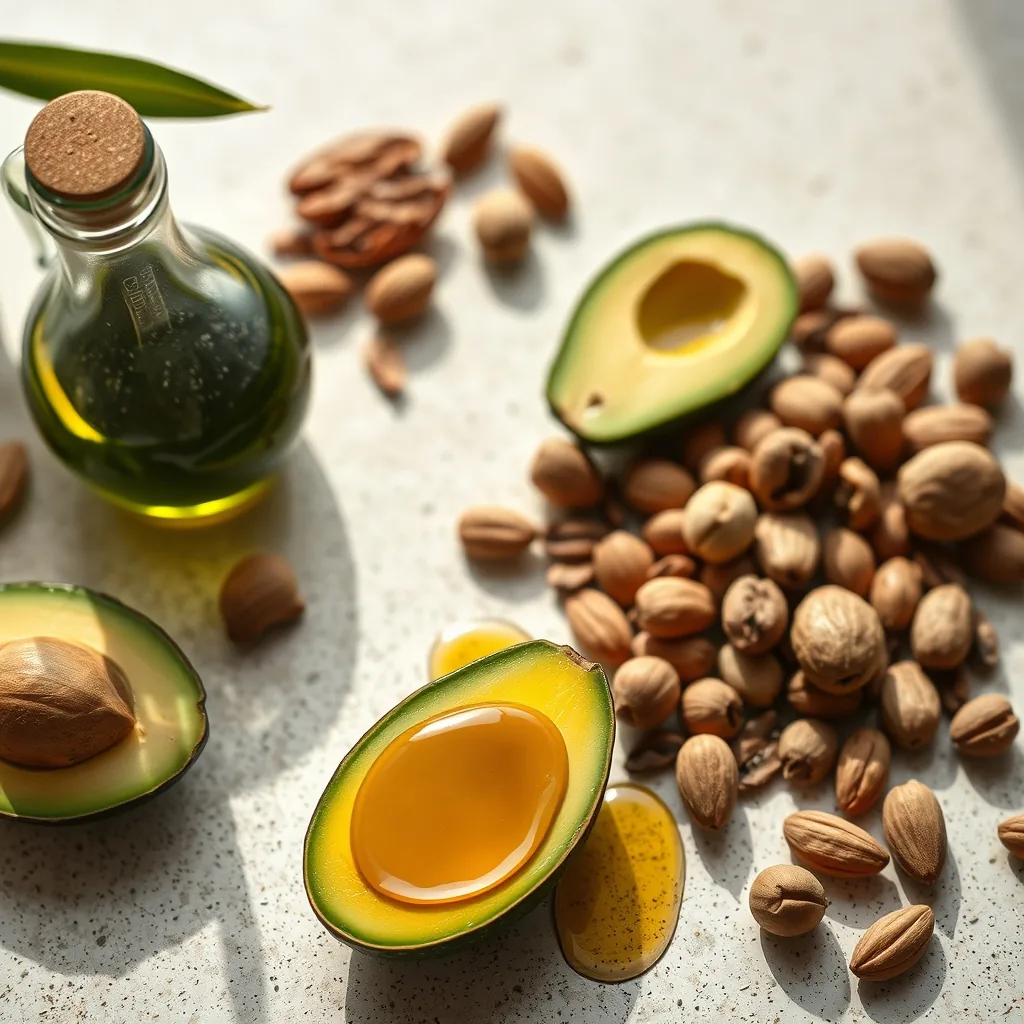
Vitamins A, D, E, and K are fat-soluble. They need dietary fat for efficient absorption in the small intestine. A salad with no dressing is still healthy, but adding olive oil, avocado, or nuts improves absorption of carotenoids and fat-soluble vitamins.
This is one reason very low fat diets can create nutrient gaps. Include a modest fat source with meals that contain vegetables, especially orange and dark green vegetables rich in carotenoids.
5. Temperature Regulation and Organ Protection
Subcutaneous fat insulates the body, while fat pads around the kidneys, heart, and eyes provide physical protection. These roles are easy to overlook because they are invisible, but they matter for survival and daily comfort.
6. Satiety and Meal Satisfaction
Fat slows gastric emptying and adds flavor and texture. Meals with a moderate amount of fat tend to keep hunger away longer than fat-free meals with the same calories. That effect can support a calorie deficit by reducing grazing.
The practical lesson is to pair fat with protein and fiber rather than eating it alone. Greek yogurt with nuts and berries is more satisfying than a handful of nuts on the run. Portion the fat source instead of pouring freely from the bottle.
7. Brain and Nervous System
The brain is rich in lipids, and fatty acids support membrane structure and signaling. Omega-3 fats, especially DHA, are concentrated in the brain and retina. Fatty fish, algae oil, walnuts, and flaxseed are useful sources.
Supplements are not a substitute for a varied diet. Food sources provide protein, minerals, and other fats alongside omega-3s. People who do not eat fish can use algae-based options after checking with a clinician if they take medication.
Types of Fat and What They Do
| Type | Main sources | Practical guidance |
|---|---|---|
| Unsaturated | Olive oil, nuts, seeds, avocado, fish | Use as the default fat for cooking and meals |
| Saturated | Butter, cheese, fatty meat, coconut oil | Keep portions moderate within total calories |
| Trans | Some processed snacks and fried foods | Limit as much as possible |
| Omega-3 | Salmon, sardines, walnuts, flax, chia | Include two fish meals per week or plant sources |
How Much Fat Do You Need?
Many nutrition guidelines suggest fat at roughly 20 to 35 percent of daily calories for adults. Athletes and people on very low carbohydrate diets may choose more, while some medical conditions require less. The right amount depends on total calories, food preferences, and clinical needs.
A simple plate method is more useful than counting grams for most people. Add one thumb-sized portion of oil, nuts, seeds, or avocado to meals that need it. Adjust from there based on hunger, energy, and weight goals.
Best Sources for Daily Meals
Olive oil, avocado, nuts, seeds, tahini, fatty fish, eggs, and plain yogurt provide fat along with other nutrients. Whole foods are preferable to highly processed snacks because they bring fiber, protein, and minerals. Cooking at home gives you control over the amount and quality of fat.
Store oils away from heat and light, and replace them when they smell rancid. Nuts and seeds keep longer in the refrigerator or freezer. These small storage habits protect flavor and reduce waste.
Common Myths About Fat
One myth is that eating fat makes you fat. Excess calories from any source can lead to weight gain, and fat is simply more calorie dense. Another myth is that all saturated fat is harmless or that all fat is dangerous. The evidence supports a pattern rich in unsaturated fats and low in trans fat.
A third myth is that a fat-free diet is healthiest. Very low fat intake can reduce vitamin absorption and make meals less satisfying. Quality and portion size matter more than avoiding fat altogether.
Fat, Cholesterol, and Heart Health
Dietary fat affects blood cholesterol differently depending on the type. Replacing saturated fat with unsaturated fat tends to lower LDL cholesterol, while trans fat raises it. The effect of dietary cholesterol is smaller and varies between people. Focus on the overall pattern rather than a single number.
Fatty fish, nuts, olive oil, and avocado are associated with better cardiovascular outcomes than processed snacks and fried foods. A diet rich in vegetables, whole grains, legumes, and unsaturated fats supports heart health and provides the functions of fats in the body without excessive calories.
Cooking With Fats
Olive oil works for low and medium heat, while avocado oil and refined oils handle higher temperatures. Butter and coconut oil contain saturated fat and can burn at high heat. Match the fat to the cooking method and avoid heating oil until it smokes.
Measure oil with a spoon instead of pouring freely. A single tablespoon contains about 120 calories, so small differences add up over a week. Use a spray bottle for pans, or cook with broth and add a finishing drizzle of oil for flavor.
Keep nuts and seeds in a cool, dark place or the refrigerator. Rancid fat tastes bitter and reduces the appeal of healthy foods. Buy smaller quantities and refill more often if storage space is limited.
Reading Labels Without Confusion
Check the total fat, saturated fat, and trans fat per serving. Compare serving size with what you actually eat; a small package may contain two or three servings. Ingredient lists that include partially hydrogenated oil indicate trans fat even when the label rounds to zero.
Do not judge a food by fat alone. A product low in fat may be high in added sugar or refined starch. Look at protein, fiber, sodium, and the ingredient list together. Whole foods usually need less label reading than packaged snacks.
Functions of Fats in the Body for Active People
Training increases energy needs, and fat helps meet them without making meals too heavy. Functions of fats in the body also include supporting hormone production and vitamin absorption, both relevant to recovery and bone health. Athletes do not need a high-fat diet, but very low fat intake can be counterproductive.
Place most fat around training rather than immediately before it. A meal with olive oil, avocado, or nuts three to four hours before exercise is usually comfortable. A heavy fried meal right before a run is not. After training, combine protein with a moderate fat source and carbohydrates.
Endurance athletes may use fat as fuel during long efforts, but the body still needs carbohydrate for high-intensity work. The balance depends on the sport, duration, and individual tolerance. Functions of fats in the body support performance best when they are part of a varied, adequate diet.
Frequently Asked Questions
Readers often ask whether fat is necessary, which oils to use, and how fat fits into weight loss. The answers below focus on practical choices rather than extremes.
Related Reading
Continue with what you need to know about fat in your diet, the comparison of bad fats versus good fats, and why olive oil is a healthy food.
For a research-based overview, see the Harvard Nutrition Source guide to fats and cholesterol.
Is eating fat necessary for good health?
Yes. The body needs fat for cell membranes, hormone production, vitamin absorption, and energy. Essential fatty acids must come from food because the body cannot make them. A fat-free diet can create nutrient gaps and make meals less satisfying.
Which fats should I limit?
Limit trans fat from partially hydrogenated oils and keep saturated fat portions moderate. Prioritize unsaturated fats from olive oil, nuts, seeds, avocado, and fish. Read labels and compare serving sizes instead of judging a food by total fat alone.
How much fat should I eat per day?
Many guidelines suggest 20 to 35 percent of daily calories for adults, but needs vary with health conditions, activity, and total intake. A practical start is one thumb-sized portion of a quality fat source at meals, then adjust based on hunger and goals.

Wibi Sena is a senior nutrition writer at Organic Raw Diet covering evidence-based vegan nutrition and plant protein. 5+ years, 200+ guides. Method: RCTs, USDA database, and Cochrane reviews. Author of 1,641 nutrition guides since 2022.