
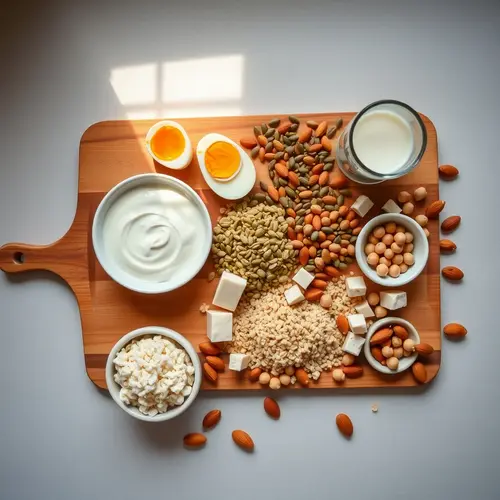
protein from non meat
Why Protein From Non Meat Matters for Your Health
Table of Contents
Your body breaks down protein into amino acids during digestion. These amino acids serve as building blocks for enzymes, hormones, antibodies, and muscle tissue. While meat provides complete proteins (containing all nine essential amino acids), protein from non meat sources can accomplish the same goal—sometimes more efficiently and with additional nutritional benefits.
Research from the Academy of Nutrition and Dietetics confirms that well-planned vegetarian and vegan diets meet nutritional needs at all life stages. Non-meat proteins often deliver higher fiber content, more antioxidants, and beneficial plant compounds that meat cannot provide.
Complete vs. Incomplete Proteins: What You Need to Know
A complete protein contains all nine essential amino acids your body cannot produce independently. Most protein from non meat sources fall into two categories: complete and incomplete.
Complete non-meat proteins include eggs, dairy products, quinoa, hemp seeds, and soy products. Incomplete proteins (beans, lentils, nuts, grains) combine effectively—rice and beans together create a complete amino acid profile. This combination approach has sustained populations worldwide for centuries.
How to Build Complete Protein Profiles From Non Meat Sources
Pair legumes with whole grains to maximize amino acid completeness. Chickpeas with whole wheat bread, lentils with brown rice, or black beans with cornbread all work exceptionally well. You don’t need to eat these combinations at the same meal—consuming them throughout the day achieves the same result.
| Non-Meat Protein Source | Protein per Serving | Complete Protein? | Best Pairings |
|---|---|---|---|
| Greek Yogurt (7 oz) | 20g | Yes | Granola, berries, nuts |
| Lentils (1 cup cooked) | 18g | No | Brown rice, whole wheat |
| Tofu (1 cup firm) | 20g | Yes | Vegetables, soy sauce, sesame oil |
| Chickpeas (1 cup cooked) | 15g | No | Whole grain bread, tahini |
| Eggs (2 large) | 12g | Yes | Vegetables, whole grain toast |
| Hemp Seeds (3 tbsp) | 10g | Yes | Smoothies, salads, oatmeal |
Plant-Based Protein From Non Meat That Outperforms Expectations
Legumes (beans, lentils, peas) deliver 15-20 grams of protein per cooked cup alongside fiber that supports digestive health. They’re affordable, shelf-stable, and versatile across cuisines.
Tofu and tempeh, derived from soybeans, contain all essential amino acids. Tempeh has a firmer texture and nuttier flavor, making it ideal for grilling or stir-frying. Tofu absorbs flavors effectively and works in countless dishes from smoothies to scrambles.
Nuts and seeds (almonds, peanuts, pumpkin seeds, sunflower seeds) contribute 5-9 grams of protein per ounce. They also provide healthy fats, vitamin E, and magnesium. Seed butters offer concentrated nutrition in spreadable form.
Dairy-Based Protein From Non Meat Options
Dairy products remain among the most accessible complete protein from non meat sources for many people. Greek yogurt contains nearly double the protein of regular yogurt due to its concentrated whey content. Cottage cheese delivers 14 grams of protein per half-cup serving.
Cheese provides concentrated protein—an ounce of cheddar supplies 7 grams. Milk (cow, goat, or sheep varieties) offers 8 grams per cup. These options integrate seamlessly into existing eating patterns without requiring recipe overhauls.
Navigating Lactose and Dairy Alternatives
People avoiding lactose can explore lactose-free dairy or choose alternatives. Fortified plant-based milks (soy, pea, hemp) now match dairy’s protein content—some brands deliver 10 grams per serving. Nutritional yeast adds a savory flavor and 8 grams of protein per 2-tablespoon serving.
Whole Grains and Pseudocereals as Protein Sources
Quinoa stands out as a plant-based complete protein with 8 grams per cooked cup. Buckwheat, despite its name, contains no wheat and provides complete amino acid profiles. Amaranth and spelt offer similar benefits to more common grains.
Whole wheat and oats provide incomplete proteins (5-7 grams per cup cooked), but their B-vitamin content and fiber make them valuable components of varied diets. Combine them with legumes or dairy for complete protein synthesis.
Optimizing Your Protein From Non Meat Strategy
Meet your daily protein needs by distributing intake across meals. Most adults require 0.8-1.0 grams per kilogram of body weight. Athletes and older adults benefit from 1.2-2.2 grams per kilogram.
Breakfast options matter significantly. Eggs with toast, Greek yogurt with granola, or tofu scramble with vegetables each deliver 15-20 grams. This pattern prevents midday energy crashes and supports muscle preservation.
Common Mistakes When Choosing Protein From Non Meat
Relying solely on a single source limits nutritional diversity. Someone eating only chickpeas misses the unique benefits of fermented soy products, dairy, nuts, and seeds.
Assuming all plant proteins are automatically “healthier” overlooks processing. Highly processed plant-based meat alternatives often contain sodium, added oils, and binders—they’re not inherently superior to whole-food sources.
Forgetting to combine incomplete proteins throughout the day means missing amino acid completeness. Intentional pairing—lentil soup with whole grain bread, tofu with brown rice—ensures optimal nutrition.
Building a Sustainable Protein From Non Meat Plan
Start by identifying which non-meat proteins you genuinely enjoy. Forced adherence to disliked foods undermines long-term success. Experiment with preparation methods—roasted chickpeas taste entirely different from hummus or chickpea curry.
Plan meals around protein variety rather than eliminating foods. Adding one meat-free day weekly, then gradually increasing frequency, creates sustainable transitions. This approach prevents deficiency concerns while allowing adequate adjustment time.
- Experiment with legume-based meals 2-3 times weekly
- Keep shelf-stable protein from non meat options on hand (canned beans, nuts, seeds)
- Combine incomplete proteins intentionally at each meal
- Track your protein intake for 3-5 days to establish baseline adequacy
- Season generously to ensure palatability and meal enjoyment
Transitioning to diverse protein from non meat sources delivers nutritional completeness while expanding your culinary repertoire. The evidence is clear: plant-based, dairy, and egg proteins support every health and fitness goal that meat provides. Your body responds to quality amino acids regardless of their source. Choose variety, plan intentionally, and enjoy the journey.