
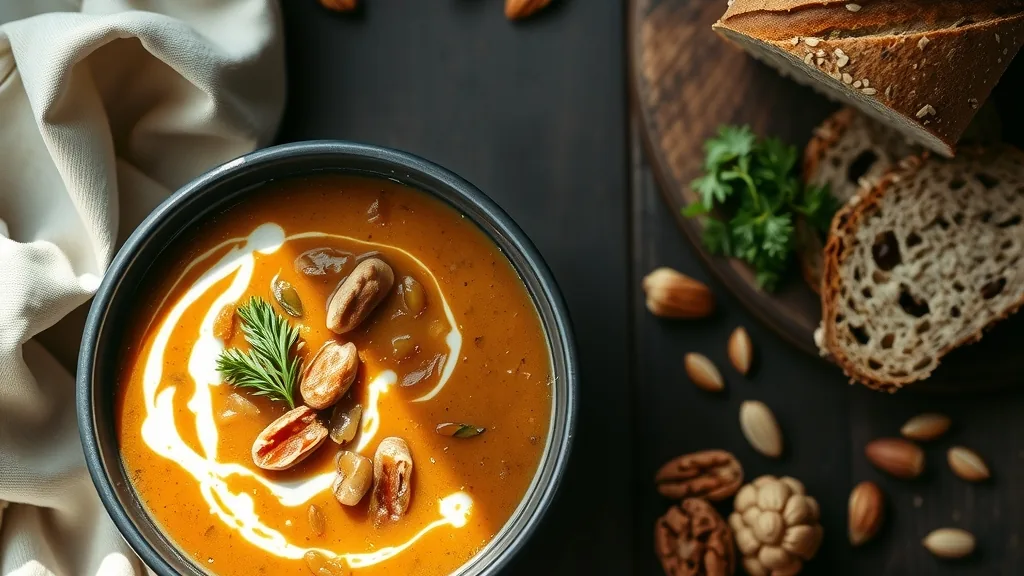
Protein In Vegetarian Diet List: Protein in Vegetarian Diet
Table of Contents
When it comes to a vegetarian diet, one of the biggest concerns is getting enough protein. Protein is an essential nutrient that plays a critical role in building and repairing tissues in the body. A well-planned protein in vegetarian diet list can help ensure that you are getting all the necessary nutrients. In this article, we will explore the different sources of protein in a vegetarian diet and provide a list of high protein foods. The key to a successful vegetarian diet is to consume a variety of plant-based foods that provide all the essential amino acids, which can be found in a protein in vegetarian diet list.
Understanding Protein Requirements
Protein requirements vary based on factors such as age, sex, weight, and activity level. The recommended daily intake of protein is about 0.8 grams per kilogram of body weight for sedentary adults. However, if you are an athlete or engage in regular physical activity, you may need more protein to support muscle growth and repair. For example, endurance athletes may require up to 1.2-1.4 grams of protein per kilogram of body weight, while strength athletes may require up to 1.6-2.2 grams per kilogram. It’s essential to consult with a healthcare professional or registered dietitian to determine your individual protein needs, and to create a personalized protein in vegetarian diet list.
For more information on protein requirements, you can visit the Privacy Policy page of our website, which outlines our commitment to providing accurate and reliable information. Additionally, you can use online protein calculators to estimate your daily protein needs, which can help you plan your protein in vegetarian diet list.
A common mistake made by vegetarians is not consuming enough protein, which can lead to muscle loss and weakness. To avoid this, it’s crucial to include a variety of high protein foods in your diet, such as legumes, nuts, and seeds, which are all part of a comprehensive protein in vegetarian diet list. For instance, a 30-year-old female athlete who weighs 60 kilograms may require around 60-80 grams of protein per day, which can be achieved by consuming a combination of high protein foods, such as lentils, chickpeas, and tofu, all of which are included in a protein in vegetarian diet list.
Protein in Vegetarian Diet List
A protein in vegetarian diet list should include a variety of foods from different groups to ensure that you are getting all the essential amino acids. Some high protein foods for vegetarians include legumes, nuts, seeds, whole grains, and soy products. Legumes, such as lentils, chickpeas, and black beans, are some of the richest sources of protein in a vegetarian diet, and are a staple in many protein in vegetarian diet lists. For example, one cup of cooked lentils contains around 18 grams of protein, while one cup of cooked chickpeas contains around 15 grams of protein, making them both excellent additions to a protein in vegetarian diet list.
For a comprehensive guide to vegan protein sources, check out our article on Vegan Protein Sources: The Complete Guide. This article provides an in-depth look at the different types of plant-based protein sources, including legumes, nuts, and seeds, which are all essential components of a protein in vegetarian diet list. By incorporating these foods into your diet, you can ensure that you are getting enough protein to support your overall health and well-being, and create a well-planned protein in vegetarian diet list.
When planning a protein in vegetarian diet list, it’s essential to consider the different types of protein sources and how they can be combined to provide all the essential amino acids. For example, legumes are low in methionine, an essential amino acid, but high in lysine, while whole grains are high in methionine but low in lysine. By combining these foods, you can create a complete protein that provides all the essential amino acids, which is a key component of a protein in vegetarian diet list.
High Protein Foods for Vegetarians
There are many high protein foods that vegetarians can include in their diet. Some examples include tofu, tempeh, seitan, and veggie burgers. Nuts and seeds, such as almonds, chia seeds, and hemp seeds, are also high in protein and can be easily incorporated into meals and snacks, and are a great addition to a protein in vegetarian diet list. Whole grains, such as quinoa, brown rice, and whole wheat, are also good sources of protein and can provide a feeling of fullness and satisfaction, making them a great component of a protein in vegetarian diet list.
For more information on how to incorporate these foods into your diet, check out our article on Protein for Vegan Athletes. This article provides tips and advice on how to plan a high protein diet, including meal planning and preparation, which can help you create a comprehensive protein in vegetarian diet list. By following these tips, you can ensure that you are getting enough protein to support your overall health and well-being, and create a well-planned protein in vegetarian diet list.
A common mistake made by vegetarians is not varying their protein sources, which can lead to nutrient deficiencies. To avoid this, it’s essential to include a variety of high protein foods in your diet, such as legumes, nuts, and seeds, which are all part of a comprehensive protein in vegetarian diet list. For example, you can try adding different types of nuts and seeds to your meals, such as almonds, chia seeds, and hemp seeds, which are all high in protein and can be easily incorporated into a protein in vegetarian diet list.
Meal Planning and Preparation
Meal planning and preparation are crucial for ensuring that you are getting enough protein in your vegetarian diet. Start by planning your meals for the week, and make a grocery list of the ingredients you need. You can also prepare meals in advance, such as cooking a big batch of lentils or chickpeas, and using them throughout the week, which can help you create a comprehensive protein in vegetarian diet list. By planning your meals and preparing your ingredients, you can ensure that you are getting enough protein to support your overall health and well-being, and create a well-planned protein in vegetarian diet list.
For some inspiration on healthy meal planning, check out our article on Medifast Bars: The Complete Guide. This article provides tips and advice on how to plan healthy meals, including protein-rich meals, which can help you create a comprehensive protein in vegetarian diet list. By following these tips, you can ensure that you are getting enough protein to support your overall health and well-being, and create a well-planned protein in vegetarian diet list.
A common mistake made by vegetarians is not considering the protein content of their meals, which can lead to inadequate protein intake. To avoid this, it’s essential to plan your meals carefully, taking into account the protein content of each food, and to create a comprehensive protein in vegetarian diet list. For example, you can try using a meal planning app or website to track your protein intake, which can help you create a well-planned protein in vegetarian diet list.
Protein in Vegetarian Diet List for Weight Loss
A protein in vegetarian diet list for weight loss should include foods that are high in protein and low in calories. Some examples include leafy greens, such as spinach and kale, and cruciferous vegetables, such as broccoli and cauliflower. Legumes, such as lentils and chickpeas, are also high in protein and fiber, making them very filling and satisfying, and are a great addition to a protein in vegetarian diet list for weight loss.
For more information on how to use protein for weight loss, check out the National Institutes of Health website, which provides evidence-based information on nutrition and health. This website provides tips and advice on how to plan a high protein diet for weight loss, including meal planning and preparation, which can help you create a comprehensive protein in vegetarian diet list for weight loss. By following these tips, you can ensure that you are getting enough protein to support your weight loss goals, and create a well-planned protein in vegetarian diet list.
A common mistake made by vegetarians is not considering the protein content of their meals when trying to lose weight, which can lead to inadequate protein intake. To avoid this, it’s essential to plan your meals carefully, taking into account the protein content of each food, and to create a comprehensive protein in vegetarian diet list for weight loss. For example, you can try adding high protein foods, such as tofu and tempeh, to your meals, which are both great additions to a protein in vegetarian diet list for weight loss.
Conclusion and Recommendations
In conclusion, a well-planned protein in vegetarian diet list can provide all the necessary nutrients for a healthy and balanced diet. By including a variety of high protein foods, such as legumes, nuts, seeds, whole grains, and soy products, you can ensure that you are getting enough protein to support your overall health and well-being, and create a comprehensive protein in vegetarian diet list. It’s essential to consult with a healthcare professional or registered dietitian to determine your individual protein needs, and to create a personalized protein in vegetarian diet list.
For more information on healthy eating and nutrition, check out our article on Can Dandruff Cause White Hair?. This article provides tips and advice on how to maintain a healthy diet, including a high protein diet, which can help you create a comprehensive protein in vegetarian diet list. By following these tips, you can ensure that you are getting enough protein to support your overall health and well-being, and create a well-planned protein in vegetarian diet list.
| Food | Protein Content (per serving) |
|---|---|
| Lentils | 18g |
| Chickpeas | 15g |
| Black beans | 15g |
| Quinoa | 8g |
| Almonds | 6g |
Remember to always consult with a healthcare professional or registered dietitian before making any significant changes to your diet, and to create a comprehensive protein in vegetarian diet list. With a little planning and preparation, you can ensure that you are getting enough protein to support your overall health and well-being, and create a well-planned protein in vegetarian diet list.
In addition to the foods listed in the table, there are many other high protein foods that can be included in a protein in vegetarian diet list. Some examples include tofu, tempeh, seitan, and veggie burgers, which are all great sources of protein and can be easily incorporated into meals and snacks. By including a variety of these foods in your diet, you can ensure that you are getting enough protein to support your overall health and well-being, and create a comprehensive protein in vegetarian diet list.
It’s also important to note that a protein in vegetarian diet list should be tailored to an individual’s specific needs and preferences. For example, some people may have dietary restrictions or preferences, such as gluten-free or soy-free, which should be taken into account when planning a protein in vegetarian diet list. By working with a healthcare professional or registered dietitian, you can create a personalized protein in vegetarian diet list that meets your individual needs and helps you achieve your health and wellness goals.
In conclusion, a well-planned protein in vegetarian diet list is essential for maintaining a healthy and balanced diet. By including a variety of high protein foods, such as legumes, nuts, seeds, whole grains, and soy products, you can ensure that you are getting enough protein to support your overall health and well-being. Remember to always consult with a healthcare professional or registered dietitian before making any significant changes to your diet, and to create a comprehensive protein in vegetarian diet list that meets your individual needs and helps you achieve your health and wellness goals.
What are some high protein foods for vegetarians?
You can easily meet your nutritional needs by consuming legumes, lentils, chickpeas, tofu, tempeh, nuts, seeds, and quinoa. These versatile plant-based staples provide essential amino acids necessary for muscle repair and overall health. Incorporating a diverse range of these nutrient-dense ingredients ensures you maintain optimal energy levels throughout your busy day.
How much protein do I need per day?
Most sedentary adults require approximately 0.8 grams of protein per kilogram of body weight to maintain basic health. However, active individuals, athletes, or those aiming to build muscle mass often need significantly higher amounts. Consult a healthcare professional to determine your specific requirements based on your unique lifestyle and goals.
Can I get enough protein from plant-based sources?
Yes, you can certainly obtain sufficient protein from plant-based sources by consuming a wide variety of whole foods daily. Combining different items like beans, grains, nuts, and vegetables ensures you receive all essential amino acids. Planning your meals thoughtfully makes achieving your daily intake targets both simple and highly sustainable.

Wibi Sena is a senior nutrition writer at Organic Raw Diet covering evidence-based vegan nutrition and plant protein. 5+ years, 200+ guides. Method: RCTs, USDA database, and Cochrane reviews. Author of 1,641 nutrition guides since 2022.