
Caribbean Food Safari: Safe Choices for Daily Life
Table of Contents
Caribbean food safari explained: this guide covers practical steps, daily targets, and simple food choices.
Alongside the coasts of Caribbean islands, there are hundreds of fine-dining restaurants and food choices that make a great meal for your lunch or dinner. You’ll be truly elated to explore and enjoy the exceptional tang of some of the international food items here. These are cooked and served with a Caribbean tinge in some of the finest restaurants in the region. The islands, like Jamaica, Puerto Rico, Trinidad, Barbados, St. Lucia, Bahamas, etc. are those that offer extraordinary dining options.
The people in the Caribbean region have a great passion for eating as well as cooking. Every island of the Caribbean group has something exclusive to serve in its food that catches the attention of tourists from all around the world.
The most common ingredients that are used in the dishes include rice, beans, plantains, cassava, bell peppers, cilantro, chick peas, sweet potatoes, coconut, tomatoes and the locally available meat (beef, pork, poultry, or fish) and curries. The food recipes that make you really fall in love with the Caribbean food include Jamaican grilled fish, jerk chicken with rice and curries, black beans and rice, slow-roasted pork shoulder, oxtail stew, sweet plantains and many other delectable food items to carry you away.
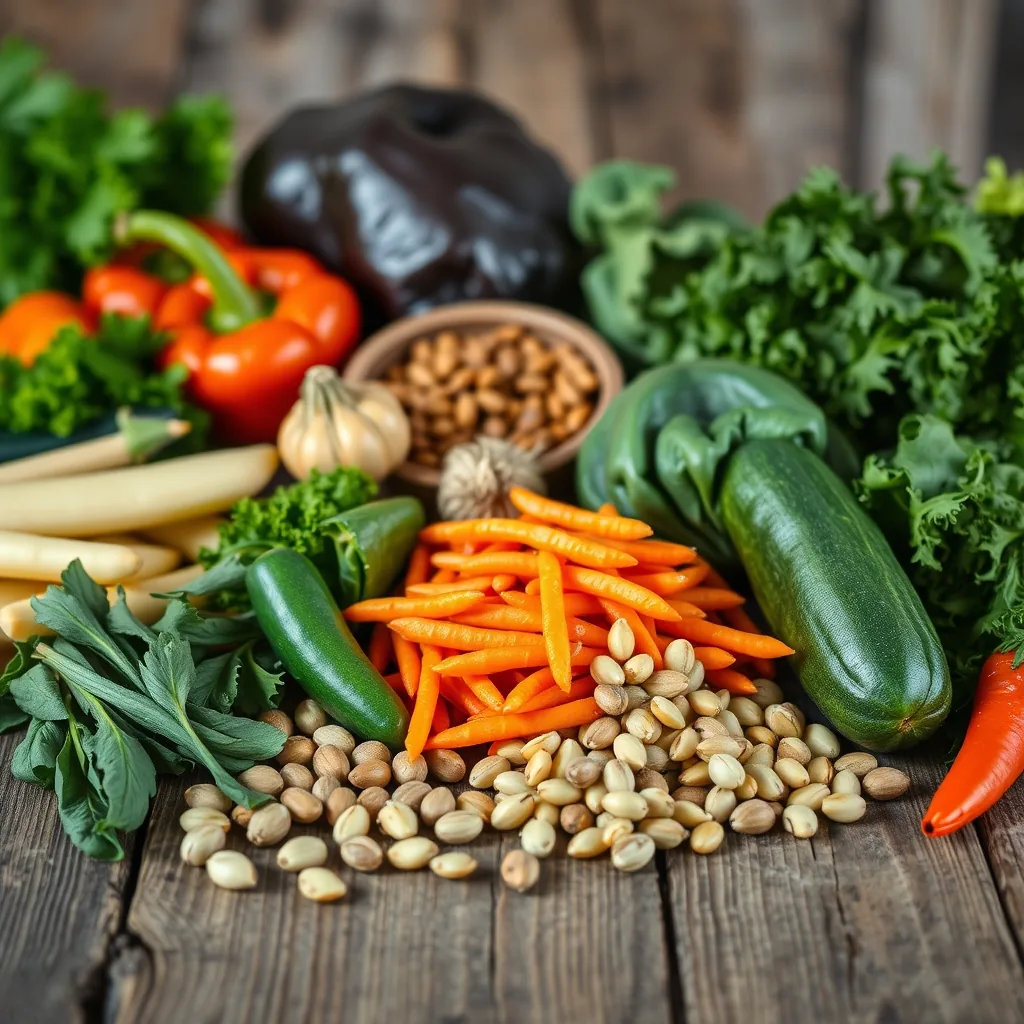
Most of the recipes, especially those of dessert dishes have a mixed origin. The black cake is very popular here being a derivative of English Christmas pudding. The national dish of Antigua and Barbuda is fungie and pepper pot. The Jamaican cuisine is a mixture of various spices, flavors, techniques and diverse cultures reflecting in it. It has an influence of African, British, Indian, Chinese, French cuisine. Food in Puerto Rico has its roots in traditional cooking practices that are deeply influenced by the food traditions of Hispanic races, European, and American-Indian ethnic groups.
To enjoy the eating delights of the Caribbean islands you can choose any of the various tourist destinations here, and spend these holidays pampering your foodie belly with some of the most scrumptious victuals. If you are a connoisseur of food there are some unparalleled holiday resorts and hotels that take special care for your palate.
Some of the prominent and stylish restaurants, with elegant bistros and ritzy eateries that you’ll find in those islands are Banana Walk and La Bella Vita at the Sunset Beach Resort, Grand Palladium’s The Blue Lagoon and Mo’ Bay Restaurant, which are there in Jamaican islands. You’ll get the excellent dining experience at Sir Alexander restaurant, a part of Riu Palace Paradise Island, and all-inclusive resort in Bahamas. In Puerto Rico, the best restaurants include Blt Steak and Meres at Ritz Carlton, San Juan.
Caribbean food safari: Practical Checklist
Use this checklist to keep choices consistent: check labels, compare portions, plan two backup meals, and review how your body responds each week. Small repeatable decisions matter more than a perfect single day.
Related reading: Raw Food Detox, Pesticides On Organic Food, Food Industry Lies.
For evidence-based guidance, see the official nutrition resource.
Building a Routine That Lasts
Lasting change comes from small decisions repeated often. Pick two meals you already enjoy, improve their balance, and keep the ingredients on hand. Plan a backup option for busy days so one missed shopping trip does not derail the week. Review energy, digestion, and hunger every Sunday, then adjust one variable at a time instead of changing everything at once.
Reading Labels Without Guesswork
Start with the ingredient list, then compare the nutrition panel across similar products. Watch serving size, because a small package may contain two or three servings. Choose items with shorter ingredient lists when possible, and treat health claims as marketing until the numbers support them. A photo of the label makes comparison shopping faster on the next visit.
When to Ask a Professional
Seek personalized advice if you manage a medical condition, take prescription medication, are pregnant, or follow a restricted diet. A registered dietitian can review lab work, medications, and food access together. Bring a three-day food record and your questions so the appointment stays focused on changes you can realistically maintain.
Budget and Storage Basics
Buy seasonal produce, frozen vegetables, and dried staples when prices are lower. Cook once and portion into reusable containers for two or three days. Label containers with the date, cool food quickly, and reheat only what you plan to eat. This reduces waste and makes the healthy choice the easy choice on a busy evening.
Meal Planning for Busy Weeks
Choose two anchor meals and repeat them on your busiest days. Keep washed produce, cooked grains, and a protein ready in the refrigerator so a meal takes minutes instead of an hour. Write a short shopping list around those ingredients, shop once, and leave room for one flexible meal that uses leftovers. Consistency improves when the plan is simple enough to repeat.
Hydration and Daily Habits
Keep water visible and drink with meals and snacks. Pair a new habit with an existing one, such as filling a bottle after breakfast or taking a short walk after dinner. Track the habit for two weeks, then keep the parts that feel automatic. Small routines support digestion, energy, and appetite control without requiring a rigid schedule.
How to Track Progress
Measure what you can repeat: energy after meals, hunger between meals, sleep quality, and weekly grocery spending. Take notes for seven days before changing the plan. Look for trends rather than daily fluctuations. If progress stalls for three weeks, adjust one variable such as portion size, meal timing, or activity level.
this food: Quick Checklist
- Compare the food labels before buying.
- Choose this option options that fit your budget.
- Plan one the ingredient meal before the week starts.
- Keep a short list of trusted caribbean food safari sources.
- Review how caribbean food safari choices affect your energy.
- Store caribbean food safari ingredients where you can see them.
- Ask questions about caribbean food safari when shopping.
- Track caribbean food safari habits for one week.
- Adjust caribbean food safari portions gradually.
- Share caribbean food safari meals with family or friends.
How do I start with caribbean food safari?
Start with one small change you can repeat daily. Track portions for a week, keep meals simple, and adjust based on energy, digestion, and consistency rather than chasing a perfect plan.
How long before I see results?
Most people notice steadier energy and better digestion within two to four weeks. Body composition changes usually take six to twelve weeks of consistent eating and activity.
What mistakes should I avoid?
Avoid extreme restriction, skipping meals, and copying plans that ignore your budget or medical needs. Build meals from familiar foods and get professional advice for health conditions.

Wibi Sena is a senior nutrition writer at Organic Raw Diet covering evidence-based vegan nutrition and plant protein. 5+ years, 200+ guides. Method: RCTs, USDA database, and Cochrane reviews. Author of 1,641 nutrition guides since 2022.