
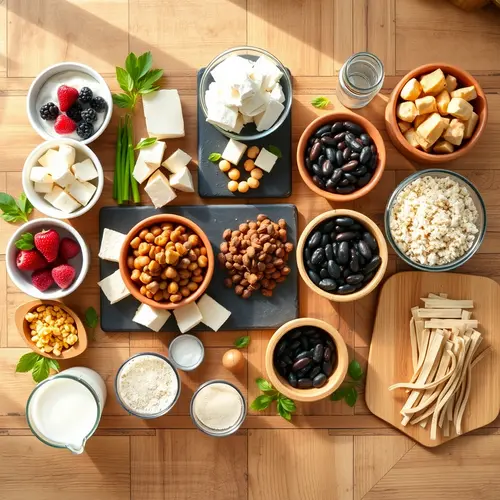
lean protein foods for vegetarians
15 Best Lean Protein Foods for Vegetarians
Table of Contents
Finding lean protein foods for vegetarians that deliver substantial protein without excess fat is essential for maintaining muscle mass, supporting metabolism, and achieving balanced nutrition. Whether you’re transitioning to a vegetarian lifestyle or optimizing your current diet, understanding which plant-based and dairy options provide the best protein-to-fat ratio transforms your meal planning and nutritional outcomes.
The challenge most vegetarians face isn’t just meeting protein requirements. It’s doing so while keeping saturated fat intake low and calorie counts manageable.
This guide breaks down the science-backed options, practical serving strategies, and insider knowledge that separates mediocre protein choices from genuinely lean, efficient sources.
Why Lean Protein Foods for Vegetarians Matter
Protein density matters because your body requires approximately 0.8 grams per kilogram of body weight daily, according to the Dietary Reference Intakes established by the Food and Nutrition Board. Active individuals need significantly more.
Traditional vegetarian protein sources like nuts and seeds pack substantial nutrition but also contain 14-20 grams of fat per serving. While healthy fats serve important functions, excessive intake can crowd out other macronutrients and spike caloric intake unnecessarily.
Lean proteins offer concentrated amino acids with minimal fat, allowing you to meet protein targets without consuming excessive calories. This becomes particularly critical for weight management, athletic performance, and cardiovascular health.
Top 15 Lean Protein Foods for Vegetarians
Greek Yogurt (Non-Fat)
Non-fat Greek yogurt delivers 17-20 grams of protein per cup with virtually zero fat. The straining process concentrates protein while removing excess lactose and liquid whey.
Choose plain varieties to avoid added sugars. The probiotic content supports digestive health while the complete amino acid profile rivals animal proteins.
Cottage Cheese (Low-Fat)
One cup of 1% cottage cheese provides 28 grams of protein with only 2 grams of fat. The casein protein digests slowly, making it excellent for sustained amino acid delivery.
The high leucine content specifically triggers muscle protein synthesis more effectively than most plant proteins.
Egg Whites
Pure protein with zero fat. Three large egg whites contain 11 grams of protein and only 51 calories.
The bioavailability score reaches 100, meaning your body utilizes virtually all available amino acids. No plant source achieves this efficiency.
Seitan (Wheat Gluten)
This wheat protein concentrate delivers 21 grams of protein per 3-ounce serving with only 2 grams of fat. The texture mimics meat more closely than any other plant protein.
Note that seitan contains gluten, making it unsuitable for those with celiac disease or gluten sensitivity. The lysine content is lower than legumes, so pair with lysine-rich foods.
Spirulina
This blue-green algae contains 4 grams of protein per tablespoon with less than 0.5 grams of fat. The protein concentration reaches 60-70% by dry weight.
Research published in nutritional science journals indicates spirulina contains all essential amino acids, though quantities of some remain limited compared to complete proteins.
Lentils
One cup of cooked lentils provides 18 grams of protein with less than 1 gram of fat. The fiber content exceeds 15 grams, supporting satiety and digestive function.
Red, green, and black varieties offer slightly different nutritional profiles. All qualify as lean protein foods for vegetarians with exceptional nutrient density.
Edamame
These young soybeans deliver 17 grams of protein per cup with 8 grams of fat, mostly unsaturated. While not the absolute leanest option, the complete amino acid profile and isoflavone content justify inclusion.
The protein digestibility-corrected amino acid score (PDCAAS) matches dairy and meat proteins.
Tempeh
Fermented soybeans compressed into a dense cake. Three ounces provide 16 grams of protein with 9 grams of fat.
The fermentation process increases digestibility and creates beneficial probiotics. The higher fat content is offset by improved bioavailability and complete amino acid profile.
Tofu (Firm)
Half a cup of firm tofu contains 10 grams of protein with 6 grams of fat. Extra-firm varieties reduce water content and increase protein concentration per serving.
Pressing tofu before cooking removes additional liquid and improves texture. The neutral flavor profile makes it incredibly versatile.
Chickpeas
One cup of cooked chickpeas delivers 15 grams of protein with only 4 grams of fat. The resistant starch content improves blood sugar regulation.
Roasting chickpeas creates a crunchy snack with concentrated protein. The lysine content pairs well with rice or wheat to create complete protein combinations.
Black Beans
These legumes provide 15 grams of protein per cup with less than 1 gram of fat. The anthocyanin antioxidants distinguish black beans from other bean varieties.
Soaking and cooking properly reduces antinutrients that can interfere with mineral absorption.
Quinoa
This pseudocereal contains 8 grams of protein per cup with 4 grams of fat. Unlike most grains, quinoa provides all nine essential amino acids.
The manganese and magnesium content supports metabolic function. While not the highest protein source, the complete amino acid profile makes it valuable for vegetarians.
Pea Protein Powder
Isolated pea protein delivers 20-25 grams per scoop with minimal fat. The branched-chain amino acid content rivals whey protein.
Research from sports nutrition studies demonstrates that pea protein supports muscle growth comparably to dairy proteins when consumed in adequate amounts.
Nutritional Yeast
Two tablespoons contain 8 grams of protein with 1 gram of fat. The savory, cheese-like flavor enhances dishes without adding dairy.
Fortified versions provide substantial B12, addressing a common vegetarian nutritional gap. The glutamic acid content creates umami flavor depth.
Skim Milk
One cup delivers 8 grams of protein with zero fat. The calcium and vitamin D fortification supports bone health.
The whey and casein combination provides both fast and slow-digesting proteins, optimizing amino acid availability throughout the day.
Protein and Fat Content Comparison
| Food Source | Protein (g per serving) | Fat (g per serving) | Calories |
|---|---|---|---|
| Greek Yogurt (non-fat, 1 cup) | 20 | 0 | 100 |
| Cottage Cheese (low-fat, 1 cup) | 28 | 2 | 163 |
| Egg Whites (3 large) | 11 | 0 | 51 |
| Seitan (3 oz) | 21 | 2 | 120 |
| Lentils (1 cup cooked) | 18 | 1 | 230 |
| Chickpeas (1 cup cooked) | 15 | 4 | 269 |
| Tofu Firm (1/2 cup) | 10 | 6 | 94 |
| Quinoa (1 cup cooked) | 8 | 4 | 222 |
Maximizing Protein Quality and Absorption
Protein quality extends beyond quantity. The amino acid composition, digestibility, and preparation method significantly impact how effectively your body utilizes protein.
Combining complementary proteins creates complete amino acid profiles. Rice and beans together provide all essential amino acids in optimal ratios, despite each being incomplete alone.
Heat treatment, soaking, and fermentation reduce antinutrients like phytic acid and trypsin inhibitors that interfere with protein digestion. Sprouting legumes before cooking increases bioavailability by 20-30%.
Strategic Protein Timing
Distribute protein intake evenly across meals rather than loading one meal. Research indicates that consuming 20-30 grams per meal optimizes muscle protein synthesis.
Post-workout protein consumption within 2 hours maximizes recovery. Combining protein with carbohydrates enhances absorption and glycogen replenishment.
Common Protein Myths Debunked
The idea that vegetarians must combine proteins at every meal is outdated. Your body maintains an amino acid pool, allowing complementary proteins consumed throughout the day to combine effectively.
Another misconception suggests plant proteins are categorically inferior. While some plant sources lack specific amino acids, properly planned vegetarian diets easily meet all protein requirements without supplementation.
Expert Perspective: The Leucine Threshold
Here’s what most nutritional guides miss about lean protein foods for vegetarians: leucine content drives muscle protein synthesis more powerfully than total protein alone.
Dairy products and soy contain 2-3 grams of leucine per serving, hitting the threshold that maximally stimulates muscle building. Most other plant proteins require larger portions to reach this threshold.
For vegetarians prioritizing muscle maintenance or growth, strategically choosing high-leucine sources or increasing portion sizes of lower-leucine foods becomes critical. This explains why athletes often favor Greek yogurt, cottage cheese, and soy products over grain-based proteins.
Practical Implementation Strategies
Building meals around lean protein foods for vegetarians requires planning but becomes automatic with practice.
- Prepare large batches of lentils, chickpeas, or black beans weekly for quick meal assembly
- Keep Greek yogurt and cottage cheese readily available for breakfast or snacks
- Use egg whites as a base for scrambles, omelets, or baking to boost protein without added fat
- Add nutritional yeast to sauces, soups, and roasted vegetables for extra protein and flavor
- Stock firm tofu and tempeh for quick stir-fries that deliver complete proteins
- Incorporate pea protein powder into smoothies for concentrated, convenient protein
Addressing Individual Protein Needs
Protein requirements vary based on age, activity level, and health status. Sedentary adults need approximately 56 grams daily for men and 46 grams for women, per USDA guidelines.
Athletes and highly active individuals require 1.2-2.0 grams per kilogram of body weight. Older adults need increased protein to combat age-related muscle loss, with recommendations reaching 1.0-1.2 grams per kilogram.
Pregnancy and lactation increase protein needs by 25-30 grams daily. Vegetarians must plan carefully to meet these elevated requirements through diverse food combinations.
Final Considerations
Selecting appropriate lean protein foods for vegetarians balances protein concentration, fat content, amino acid profile, and practical accessibility. No single source provides everything.
Variety ensures comprehensive amino acid coverage while preventing nutritional gaps. Rotating between dairy proteins, legumes, soy products, and whole grains creates a robust nutritional foundation.
The foods outlined here offer proven pathways to meeting protein needs efficiently. Success comes from consistent implementation, not perfection. Start by incorporating 2-3 new sources this week, then gradually expand your rotation as preparation becomes habitual.