
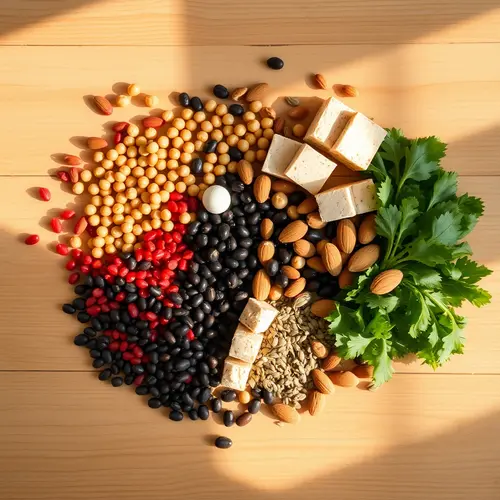
Best Vegan Protein Sources: Complete Guide
Table of Contents
Why Vegan Protein Matters for Your Diet
Protein builds muscle, repairs tissue, and creates enzymes your body relies on every single day. Many people assume vegans struggle to hit their protein targets, but that’s outdated thinking. Plants deliver complete or nearly-complete proteins when you eat a varied diet. Your body needs roughly 0.8 grams of protein per kilogram of body weight daily. If you’re active, aim for 1.2 to 2.0 grams per kilogram, depending on your training intensity. Protein vegan sources can absolutely meet these needs.
Top Plant-Based Foods Ranked
Legumes: The Powerhouse of Vegan Protein
Legumes—lentils, chickpeas, black beans, and peas—are the backbone of vegan protein nutrition. One cup of cooked lentils delivers 18 grams of protein plus fiber that keeps you full longer. Chickpeas offer 15 grams per cooked cup, making them incredibly versatile for hummus, curries, or roasted snacks. The advantage of legumes goes beyond protein. They contain resistant starch, which feeds beneficial gut bacteria. Black beans and pinto beans are slightly lower in protein per serving but higher in antioxidants.Soy Products for Complete Vegan Protein
Tofu, tempeh, and edamame are among the few plant foods containing all nine essential amino acids. One serving of tofu (about 4 ounces) provides 10 grams of protein with minimal calories. Tempeh, a fermented soy product, contains 19 grams per 3-ounce serving and offers superior digestibility due to fermentation. Edamame—immature soybeans—deliver 11 grams per cup and work great as a snack or side dish. These soy-based options are particularly useful for athletes because they support muscle recovery.Nuts, Seeds, and Grains
Nuts and seeds contribute meaningful protein alongside healthy fats. Hemp seeds pack 10 grams per 3-tablespoon serving and contain an optimal omega-3 to omega-6 ratio. Pumpkin seeds offer 9 grams per ounce, while almonds deliver 6 grams per ounce. Grains like quinoa (8 grams per cooked cup) and buckwheat (6 grams per cooked cup) provide protein alongside carbohydrates for energy. When you combine grains with legumes—rice and beans, for example—you create a complete protein profile that includes all essential amino acids.| Food Source | Serving Size | Protein (grams) | Key Benefit |
|---|---|---|---|
| Lentils (cooked) | 1 cup | 18g | High fiber, affordable |
| Tempeh | 3 oz | 19g | Complete amino acids, fermented |
| Hemp Seeds | 3 tbsp | 10g | Omega-3 rich |
| Chickpeas (cooked) | 1 cup | 15g | Versatile, nutrient-dense |
| Tofu | 4 oz | 10g | Low calorie, complete protein |
| Quinoa (cooked) | 1 cup | 8g | Complete amino acids, grain |
Combining Sources for Complete Nutrition
One misconception: you don’t need complete proteins at every meal. Your body pools amino acids throughout the day. Eating complementary proteins within a day or two is sufficient. Pairing brown rice with black beans, whole wheat bread with peanut butter, or hummus on whole grain pita all create complete protein combinations. This flexibility makes plant-based diets sustainable long-term. You’re not locked into specific meal combinations; you’re simply eating a variety of plant foods naturally.Strategic Meal Planning for Your Goals
- Breakfast: Oatmeal with hemp seeds and almond butter provides 15+ grams
- Lunch: Chickpea salad with quinoa and vegetables delivers 20+ grams
- Snack: Hummus with whole grain crackers offers 8-10 grams
- Dinner: Lentil curry with brown rice reaches 25+ grams
- Optional: Soy or pea protein powder for additional 20-25 grams
Common Myths Debunked
Myth: You need special supplements to get enough protein on a vegan diet. Reality: Whole food sources are completely sufficient. Supplements are optional convenience tools, not requirements. Myth: Plant proteins are inferior to animal proteins. Reality: All amino acids come from plants originally. When you eat varied plant foods, your protein quality matches animal protein nutritionally. Research published by major nutrition organizations confirms this. Myth: Soy is unhealthy. Reality: Decades of research show soy is safe for most people. Unfermented soy like tofu and edamame, plus fermented versions like tempeh, are nutritious staples globally.Practical Implementation That Works
Track your intake for three days to establish your baseline. Most vegans who eat legumes, grains, nuts, and seeds hit their targets without thinking about it. If you’re coming up short, add an extra serving of legumes or consider a plant-based protein powder for smoothies. Absorption matters too. Pairing plant foods with vitamin C (from tomatoes, peppers, citrus) enhances iron absorption from plant sources. Cooking legumes properly and including fermented foods aids overall nutrient utilization. The real advantage of optimizing vegan protein intake is feeling full, maintaining muscle, and having the energy to dominate your training or daily life. When you nail this one component, everything else falls into place.Bottom Line on Vegan Protein Nutrition
Meeting your protein needs on a vegan diet is straightforward when you include legumes, soy products, nuts, seeds, and whole grains. A varied approach using vegan protein sources ensures you get all nine essential amino acids and build sustainable eating habits that last years. Compare plans in our lean protein foods and complete vegan proteins; references at Healthline add background. Varied plates keep meals interesting.Shop the perimeter first for fresh produce, then fill the center aisles for dry goods. Read labels for added sugars hiding behind health claims. Simple lists beat ambitious overhauls every time. Cook once, eat twice: batch grains and legumes on quiet evenings. Freeze portions flat for fast thawing later. Label everything with dates to rotate stock properly.
Frequently Asked Questions (FAQs)
How much vegan protein do you need daily?
Near 0.8 grams per kilogram normally, more when training. Spread intake across meals instead of loading dinner alone.
Which vegan protein is complete?
Soy, quinoa and buckwheat alone. Pair beans with grains or nuts with seeds for the same complete result.
Do you need protein powder as a vegan?
Rarely with planning. Whole foods cover most needs; powders only fill gaps during heavy training blocks.

Wibi Sena is a senior nutrition writer at Organic Raw Diet covering evidence-based vegan nutrition and plant protein. 5+ years, 200+ guides. Method: RCTs, USDA database, and Cochrane reviews. Author of 1,641 nutrition guides since 2022.