
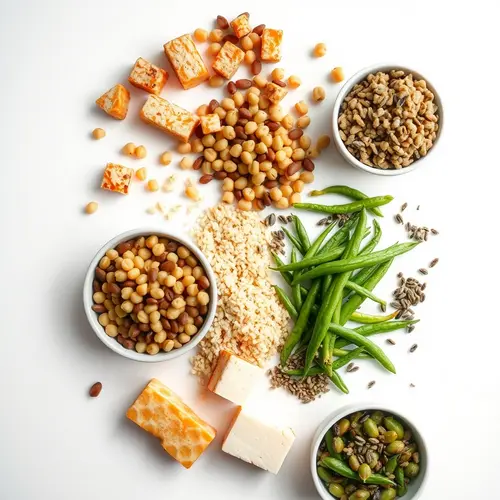
10 High Protein Veg Foods for Health
Table of Contents
High protein veg foods can fully support your daily nutritional needs. Whether your goal is to build muscle, lose weight, or simply maintain a balanced diet, plant-based protein sources can deliver powerful results.
In this comprehensive guide, you’ll discover the top 10 high protein veg foods, how to use them, and expert tips to maximize your protein intake naturally.
Why Protein Matters in a Vegetarian Diet
Protein is a crucial macro nutrient that plays a key role in:
- Building and repairing muscle tissue
- Supporting metabolism and fat loss
- Producing enzymes and hormones
- Strengthening the immune system
- Keeping you full and reducing cravings
For vegetarians, the challenge isn’t whether you can get enough protein—it’s knowing which plant-based protein foods to prioritize.
How Much Protein Do You Really Need?
Protein requirements vary depending on your lifestyle:
- Sedentary adults: ~0.8g per kg body weight
- Active individuals: 1.2–1.6g per kg
- Muscle building: up to 2.0g per kg
For example, if you weigh 70 kg (154 lbs), you may need between 56g to 140g of protein per day, depending on your activity level.
10 Power Picks: High Protein Veg Foods List
Let’s dive into the most effective and accessible high protein vegetarian foods you should include in your diet.
1. Lentils (Dal): The Protein Staple
Lentils are one of the most affordable and nutrient-dense high protein veg foods available.
Protein Content: ~18g per cooked cup
Why Lentils Are Powerful:
- Rich in fiber for gut health
- High in iron and folate
- Low in fat and highly filling
How to Use:
- Add to soups, curries, and stews
- Mix into salads for extra protein
- Make lentil patties or veggie burgers
2. Chickpeas: Versatile and Satisfying
Chickpeas are a staple in many global cuisines and a fantastic plant-based protein source.
Protein Content: ~15g per cooked cup
Benefits:
- High in fiber for digestion
- Helps stabilize blood sugar
- Supports weight management
How to Use:
- Make hummus
- Roast for crunchy snacks
- Add to salads and wraps
3. Quinoa: A Complete Plant Protein
Quinoa stands out because it’s a complete protein, meaning it contains all nine essential amino acids.
Protein Content: ~8g per cup
Why It’s Unique:
- Gluten-free
- Rich in magnesium and antioxidants
- Easy to digest
How to Use:
- Replace rice in meals
- Add to bowls and salads
- Use in breakfast porridge
4. Tofu: The Plant-Based Protein King
Tofu is a go-to option in any high protein vegan foods list.
Protein Content: ~10g per 100g
Benefits:
- Absorbs flavors easily
- Low in calories
- Rich in calcium
How to Use:
- Stir-fry with vegetables
- Grill or bake
- Add to soups and noodles
5. Tempeh: Fermented Protein Boost
Tempeh is a fermented soybean product with a firm texture and nutty flavor.
Protein Content: ~19g per 100g
Why It’s Better:
- Contains probiotics
- Higher protein than tofu
- Improves digestion
How to Use:
- Slice and pan-fry
- Use in sandwiches
- Add to grain bowls
6. Greek Yogurt: High Protein for Vegetarians
If you consume dairy, Greek yogurt is one of the best high protein vegetarian foods.
Protein Content: ~20g per cup
Benefits:
- Supports gut health
- High in calcium
- Keeps you full longer
How to Use:
- Eat as breakfast
- Add to smoothies
- Use as a healthy dessert base
7. Cottage Cheese (Paneer): Rich and Filling
Paneer is a favorite in many vegetarian diets, especially in Indian cuisine.
Protein Content: ~18g per 100g
Benefits:
- High in casein protein (slow-digesting)
- Supports muscle recovery
- Rich in calcium
How to Use:
- Cook in curries
- Grill or sauté
- Add to wraps and salads
8. Almonds: Protein + Healthy Fats
Almonds are a convenient snack packed with nutrients.
Protein Content: ~6g per ounce
Benefits:
- Rich in vitamin E
- Supports heart health
- Provides long-lasting energy
How to Use:
- Eat raw or roasted
- Add to oatmeal
- Blend into smoothies
9. Chia Seeds: Small but Mighty
Chia seeds are nutrient-dense and a great addition to any high protein veg foods list.
Protein Content: ~5g per 2 tablespoons
Benefits:
- High in omega-3 fatty acids
- Supports digestion
- Helps with hydration
How to Use:
- Make chia pudding
- Add to smoothies
- Sprinkle over yogurt
10. Edamame: Protein-Rich Snack
Edamame are young soybeans that are both delicious and nutritious.
Protein Content: ~17g per cup
Benefits:
- Rich in fiber and vitamins
- Supports muscle health
- Easy to prepare
How to Use:
- Steam and snack
- Add to salads
- Mix into stir-fries
Complete vs Incomplete Proteins: What You Should Know
Not all plant proteins are complete. However, you can easily combine foods to get all essential amino acids.
Smart Combinations:
- Rice + lentils
- Whole grain bread + peanut butter
- Hummus + whole wheat pita
This approach ensures your body gets the full spectrum of protein it needs.
Tips to Maximize Protein on a Vegetarian Diet
To make the most of your high protein veg foods, follow these strategies:
1. Include Protein in Every Meal
Don’t rely on one large protein source—spread intake throughout the day.
2. Combine Different Sources
Mix legumes, grains, nuts, and seeds for better amino acid balance.
3. Choose Whole Foods First
Minimize processed vegetarian foods and focus on natural sources.
4. Plan Your Meals
Meal prep ensures you consistently hit your protein goals.
5. Use High-Protein Snacks
Keep nuts, seeds, and yogurt handy for quick nutrition boosts.
Sample High Protein Vegetarian Meal Plan
Breakfast:
Greek yogurt + chia seeds + almonds
Lunch:
Quinoa salad with chickpeas and vegetables
Snack:
Roasted chickpeas or edamame
Dinner:
Lentil curry with brown rice
This simple plan can easily deliver 60–90g of protein per day.
Common Mistakes to Avoid
Even with a solid high protein vegetarian diet, people often make these mistakes:
- Relying too much on carbs (rice, bread)
- Not eating enough calories
- Ignoring protein diversity
- Skipping protein at breakfast
Avoiding these mistakes can significantly improve your results.
Are Plant Proteins Enough for Muscle Building?
Yes—absolutely.
Many athletes thrive on plant-based diets. The key is:
- Consistency
- Sufficient calorie intake
- Smart food combinations
With the right approach, high protein veg foods can fully support muscle growth and performance.
Switching to a vegetarian or plant-based diet doesn’t mean sacrificing protein. With the right knowledge and planning, you can easily meet—and even exceed—your protein needs using these 10 powerful high protein veg foods.
Start incorporating these foods into your daily meals, experiment with recipes, and build a sustainable diet that supports your health, fitness, and long-term well-being. Compare staples in our lean protein foods and low-carb vegan foods; guidance at Academy of Nutrition backs portions. These high protein veg foods cover daily needs.Frequently Asked Questions (FAQs)
Which high protein veg foods are cheapest?
Lentils, chickpeas and oats lead on cost per gram. These high protein veg foods stretch budgets when bought dry and bulk.
How do vegetarians hit daily protein targets?
Spread protein across three meals plus snacks. Track portions for two weeks, then eat intuitively once habits stick.
Are high protein veg foods enough for athletes?
Yes with higher portions and planning. Add soy milk, tempeh and Greek yogurt around training for best results.

Wibi Sena is a senior nutrition writer at Organic Raw Diet covering evidence-based vegan nutrition and plant protein. 5+ years, 200+ guides. Method: RCTs, USDA database, and Cochrane reviews. Author of 1,641 nutrition guides since 2022.