

Food Industry Lies: A Practical Guide
Table of Contents
Food industry lies explained: this guide covers practical steps, daily targets, and simple food choices.
Why is agriculture vital? The notion of ‘food security’ is basically vital, and for that motive, agriculture is crucial. The undertaking of feeding its people has been probably the 1st priority of its rulers through historical past. As this sort of, agriculture is regarded to be the really basis of political and social balance of a country considering that occasions immemorial.
Also, the agricultural sector performs an vital part in the sphere of supplying huge scale employment to people today. Big and moderately substantial farms utilize workers to undertake the many careers relating to cultivation of crops and care of farm animals. In most of the international locations of the globe, agriculture nevertheless remains the major sector liable for the employing and feeding a significant share of the inhabitants.
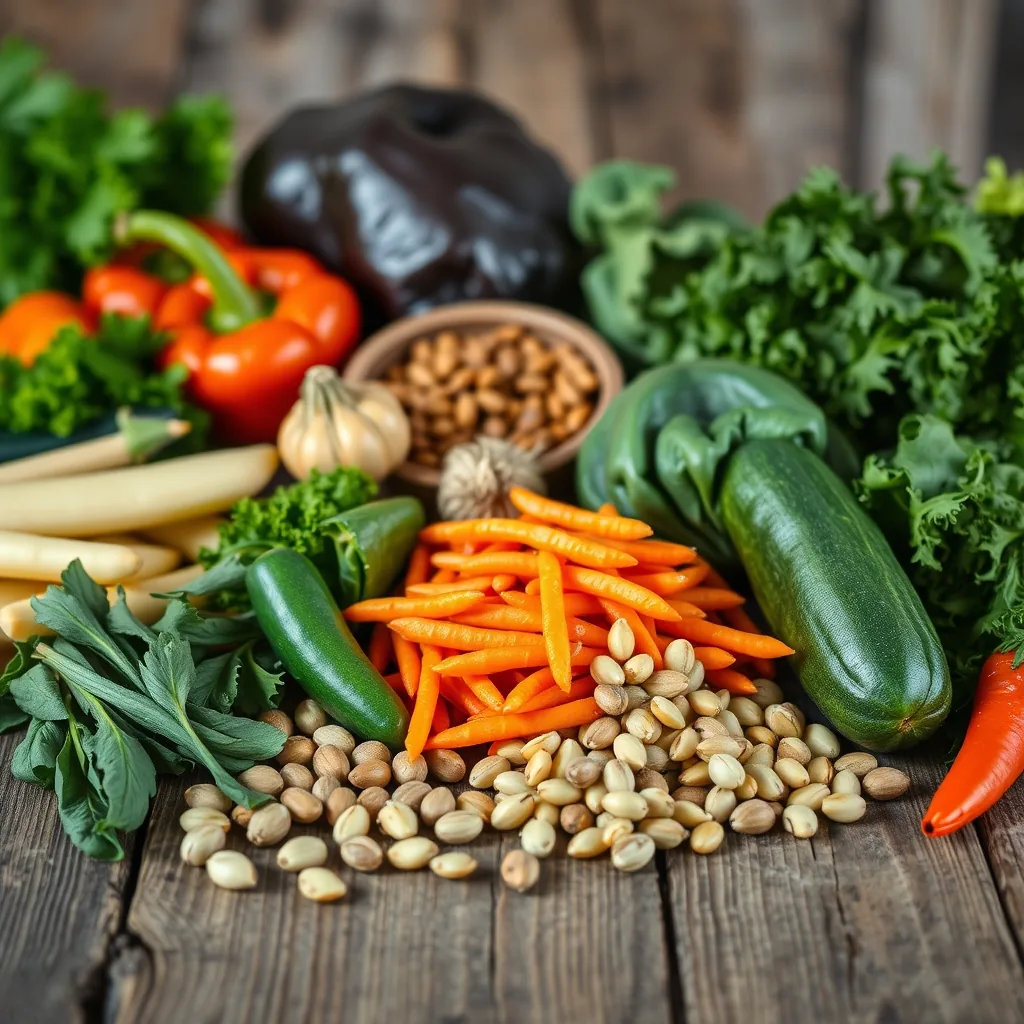
Agriculture is also vital from the point of see of appraising the standard of a country’s growth, primarily based on the competence of its farmers. Badly skilled farmers can’t apply the innovative methods and new systems. The prominence of science and technology in the advancement of agriculture is fairly crystal clear from the text of Deng Xiaoping –
The advancement of agriculture depends initially on plan, and 2nd on science. There is neither any limit to developments in science and technological know-how, nor to the function that they can participate in in the industry of agricultural growth’.
While agriculture often performs a contributory job in the ‘Gross Domestic Product’ – GDP – of most nations around the world, it however demands a substantial increase from the two the regional and the worldwide community.
Agriculture is typically based on bulk producing. Harvesting is carried out at the time a period, most of the instances, and stocked and utilized later. In reality, some thinkers opine that persons have begun to adopt ‘batch processing’ and ‘stocking’ in production, as a end result of the procedures from agricultural imagining. Before industrialization, persons with the major shares of food and other supplies were being regarded far more secure, and they have been able to face troubles of nature without owning to starve.
So crucial is the job of agriculture that new concepts keep ‘cropping up’ to give the standard exercise a modern day flip. A single this sort of new principle the environment is raving about these times is – the importance of ‘organic farming’. There is proof that, aside from their many other positive aspects, organic and natural farms are far more sustainable and environmentally seem, offering agriculture a new dimension.
The importance of agricultural tactics was even more established when ‘Organic food’ commenced as a modest motion a long time back, with gardeners and farmers rejecting the use of typical non-organic tactics. With the advancement of the Natural meals marketplace now outpacing significantly of the foods industry, numerous massive corporations have ventured into it. With the emergence of multi-nationwide providers, and with the creation of a legal certification framework this kind of as the Soil Affiliation, there is just about every question that the pretty definition of natural foodstuff will change, producing it much more of a commercial exercise than at any time right before!
In simple fact, contemporary agriculture has previously been through a sea-improve from the historical moments. Nowadays, the value of agriculture lies in the fact that it is practiced both of those for subsistence as properly as commercial causes!
Food industry lies: Practical Checklist
Use this checklist to keep choices consistent: check labels, compare portions, plan two backup meals, and review how your body responds each week. Small repeatable decisions matter more than a perfect single day.
Related reading: Food Industry Lies, Food Industry Lies, Food Industry Lies.
For evidence-based guidance, see the official nutrition resource.
Building a Routine That Lasts
Lasting change comes from small decisions repeated often. Pick two meals you already enjoy, improve their balance, and keep the ingredients on hand. Plan a backup option for busy days so one missed shopping trip does not derail the week. Review energy, digestion, and hunger every Sunday, then adjust one variable at a time instead of changing everything at once.
Reading Labels Without Guesswork
Start with the ingredient list, then compare the nutrition panel across similar products. Watch serving size, because a small package may contain two or three servings. Choose items with shorter ingredient lists when possible, and treat health claims as marketing until the numbers support them. A photo of the label makes comparison shopping faster on the next visit.
When to Ask a Professional
Seek personalized advice if you manage a medical condition, take prescription medication, are pregnant, or follow a restricted diet. A registered dietitian can review lab work, medications, and food access together. Bring a three-day food record and your questions so the appointment stays focused on changes you can realistically maintain.
Budget and Storage Basics
Buy seasonal produce, frozen vegetables, and dried staples when prices are lower. Cook once and portion into reusable containers for two or three days. Label containers with the date, cool food quickly, and reheat only what you plan to eat. This reduces waste and makes the healthy choice the easy choice on a busy evening.
Meal Planning for Busy Weeks
Choose two anchor meals and repeat them on your busiest days. Keep washed produce, cooked grains, and a protein ready in the refrigerator so a meal takes minutes instead of an hour. Write a short shopping list around those ingredients, shop once, and leave room for one flexible meal that uses leftovers. Consistency improves when the plan is simple enough to repeat.
When planning this food, start with one familiar meal and adjust the portion after a week. A simple the food routine should fit your budget, schedule, and cooking skills.
Keep this option ingredients visible in the pantry, and review your plan every Sunday. Track how food industry lies choices affect energy and digestion before changing anything else.
When planning food industry lies, start with one familiar meal and adjust the portion after a week. A simple food industry lies routine should fit your budget, schedule, and cooking skills.
Keep food industry lies ingredients visible in the pantry, and review your plan every Sunday. Track how food industry lies choices affect energy and digestion before changing anything else.
How do I start with food industry lies?
Start with one small change you can repeat daily. Track portions for a week, keep meals simple, and adjust based on energy, digestion, and consistency rather than chasing a perfect plan.
How long before I see results?
Most people notice steadier energy and better digestion within two to four weeks. Body composition changes usually take six to twelve weeks of consistent eating and activity.
What mistakes should I avoid?
Avoid extreme restriction, skipping meals, and copying plans that ignore your budget or medical needs. Build meals from familiar foods and get professional advice for health conditions.

Wibi Sena is a senior nutrition writer at Organic Raw Diet covering evidence-based vegan nutrition and plant protein. 5+ years, 200+ guides. Method: RCTs, USDA database, and Cochrane reviews. Author of 1,641 nutrition guides since 2022.