best protein for vegetarian
Best Protein for Vegetarian: 12 Complete Sources
Table of Contents
The best protein for vegetarian diets includes complete protein sources like quinoa, soy products, and strategic food combinations that deliver all nine essential amino acids. According to USDA nutritional guidelines, vegetarians can easily meet protein requirements through plant-based foods when properly planned.
Protein quality matters as much as quantity. While animal products naturally contain complete proteins, vegetarians must understand amino acid profiles to optimize nutrition.
Understanding Complete vs. Incomplete Proteins
Complete proteins contain all essential amino acids your body cannot produce. Most plant foods are incomplete proteins, lacking one or more amino acids.
The exception: several plant sources qualify as complete proteins. Knowing which ones gives vegetarians a strategic advantage in meal planning.
Food combining remains a valid strategy. Pairing rice with beans, for instance, creates a complete amino acid profile that rivals meat.
Top Best Protein for Vegetarian Diets
Soy-Based Proteins: The Gold Standard
Tofu, tempeh, and edamame stand as complete proteins with high bio availability. One cup of cooked edamame delivers 18 grams of protein with all essential amino acids.
Tempeh offers additional benefits through fermentation, improving digestibility and nutrient absorption. The fermentation process also increases B-vitamin content.
Critics often cite phytoestrogen concerns, but research from the American Institute for Cancer Research confirms moderate soy consumption is safe and potentially protective against certain cancers.
Quinoa: The Ancient Supergrain
This pseudocereal provides 8 grams of protein per cooked cup. Quinoa contains lysine, an amino acid typically deficient in grains.
Beyond protein, quinoa delivers iron, magnesium, and fiber. Its versatility makes it ideal for breakfast bowls, salads, or grain-based entrees.
Rinse quinoa thoroughly before cooking to remove saponins, bitter compounds coating the seeds.
Greek Yogurt and Dairy Options
For lacto-vegetarians, Greek yogurt provides 15-20 grams of protein per serving. The straining process concentrates protein while reducing lactose.
Cottage cheese offers similar benefits with 25 grams per cup. Choose low-sodium varieties to manage blood pressure.
Dairy proteins contain high levels of leucine, a branched-chain amino acid crucial for muscle protein synthesis.
Strategic Food Combinations
The best protein for vegetarian nutrition often comes from complementary pairings. This approach eliminates the need to consume complete proteins at every meal.
| Food Combination | Protein Content | Key Amino Acids |
|---|---|---|
| Brown Rice + Lentils | 18g per cup | Methionine + Lysine |
| Whole Wheat Bread + Peanut Butter | 15g per serving | Lysine + Methionine |
| Hummus + Whole Grain Pita | 12g per serving | Complete profile |
| Oatmeal + Nuts/Seeds | 14g per bowl | Lysine enhancement |
Legumes: Affordable Protein Powerhouses
Lentils, chickpeas, and black beans provide 15-18 grams per cooked cup. They cost significantly less than meat while offering comparable protein density.
Soaking dried legumes reduces phytic acid, improving mineral absorption. Pressure cooking further enhances digestibility.
Sprouting legumes increases bioavailability of nutrients and creates a more complete amino acid profile.
Protein Timing and Distribution
Consuming best protein for vegetarian sources throughout the day optimizes muscle protein synthesis. Aim for 20-30 grams per meal rather than concentrating intake at dinner.
Athletes require approximately 1.4-2.0 grams per kilogram of body weight. Sedentary individuals need 0.8 grams per kilogram, according to International Society of Sports Nutrition guidelines.
Distribute protein intake across four meals to maintain positive nitrogen balance. This strategy prevents muscle catabolism during extended fasting periods.
Debunking the Protein Deficiency Myth
The notion that vegetarians inherently suffer protein deficiency is outdated. Research published in the Journal of the Academy of Nutrition and Dietetics confirms well-planned vegetarian diets meet all nutritional requirements.
The real challenge lies in protein quality, not quantity. Focusing on complete proteins or strategic combinations eliminates this concern.
Many vegetarians actually consume excessive protein through processed meat alternatives high in sodium and additives. Whole food sources remain superior.
Practical Implementation Strategy
Build meals around protein-rich foods rather than treating them as sides. Start with your protein source, then add vegetables and whole grains.
Batch cooking legumes and grains simplifies weekday meal preparation. Store cooked beans in portion-sized containers for quick assembly.
Sample Daily Menu
- Breakfast: Greek yogurt with hemp seeds, berries, and granola (25g protein)
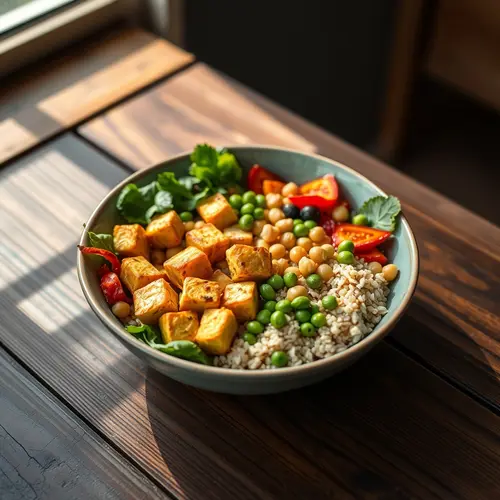
- Lunch: Quinoa bowl with roasted chickpeas, tahini, and vegetables (22g protein)
- Snack: Hummus with whole grain crackers (8g protein)
- Dinner: Tempeh stir-fry with brown rice and edamame (32g protein)
This menu provides approximately 87 grams of protein from diverse sources, ensuring complete amino acid coverage.
Supplement Considerations
Most vegetarians meet protein needs through whole foods. Protein powders offer convenience for athletes or those with elevated requirements.
Pea protein, rice protein, and hemp protein work well individually or blended. Choose products third-party tested by NSF International or Informed Choice.
Avoid relying on supplements as primary protein sources. Whole foods provide accompanying nutrients like fiber, vitamins, and minerals absent from isolated proteins.
Expert Insight: The Leucine Threshold
Muscle protein synthesis requires approximately 2-3 grams of leucine per meal. Plant proteins typically contain less leucine than animal proteins.
Compensate by slightly increasing portion sizes or combining multiple plant protein sources. A cup of lentils with quinoa provides sufficient leucine for optimal muscle response.
This consideration matters most for older adults and athletes focused on muscle maintenance or growth.
Common Mistakes to Avoid
Relying exclusively on incomplete proteins without proper combining creates amino acid gaps. Vary your protein sources throughout the week.
Processed vegetarian products often contain excessive sodium and lack fiber found in whole foods. Read labels carefully.
Neglecting protein timing reduces muscle protein synthesis efficiency. Space protein intake evenly across meals rather than consuming most at dinner.
Final Recommendations
The best protein for vegetarian nutrition combines complete protein sources like soy and quinoa with strategic food pairings. Aim for variety rather than relying on single sources.
Track intake for one week to identify potential gaps. Apps like Cronometer provide detailed amino acid breakdowns beyond basic protein totals.
Meeting protein requirements as a vegetarian requires intentional planning but poses no inherent difficulty. Focus on whole foods, strategic combinations, and consistent meal timing to optimize results.

Wibi Sena is a senior nutrition writer at Organic Raw Diet covering evidence-based vegan nutrition and plant protein. 5+ years, 200+ guides. Method: RCTs, USDA database, and Cochrane reviews. Author of 1,641 nutrition guides since 2022.