
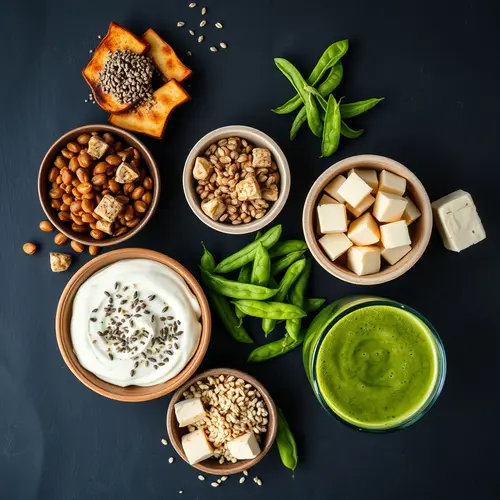
muscle building foods veg
Ultimate Muscle Building Foods Veg Guide for Strength
Table of Contents
Building muscle on a vegetarian diet is completely achievable when you prioritize the right muscle building foods veg sources. The key lies in consuming adequate protein from diverse plant-based sources that provide essential amino acids required for muscle protein synthesis. Contrary to outdated beliefs, vegetarians can gain muscle mass just as effectively as meat-eaters by strategically combining high-quality protein sources.
The science is clear. According to guidelines from the Academy of Nutrition and Dietetics, vegetarian athletes need approximately 1.4 to 2.0 grams of protein per kilogram of body weight daily to support muscle growth and recovery.
Why Muscle Building Foods Veg Sources Work
Plant-based proteins trigger muscle protein synthesis through the same biological pathways as animal proteins. The difference lies in amino acid profiles and bioavailability. While animal proteins contain all nine essential amino acids in optimal ratios, many plant proteins are considered incomplete.
This limitation becomes irrelevant when you combine complementary protein sources throughout the day. Your body maintains an amino acid pool that draws from multiple meals, making protein pairing effective for muscle development.
Top 15 Muscle Building Foods Veg Options
Complete Protein Powerhouses
Certain vegetarian foods provide complete amino acid profiles without combination. Quinoa stands out with 8 grams of protein per cooked cup and contains all essential amino acids. Soy-based products like tempeh deliver 31 grams per cup with superior bioavailability.
Greek yogurt dominates dairy-based options with 20 grams of protein per cup, plus beneficial probiotics that support gut health and nutrient absorption. Chia seeds pack 4 grams per 2 tablespoons and offer omega-3 fatty acids that reduce inflammation from training.
| Food Source | Serving Size | Protein Content | Complete Protein |
|---|---|---|---|
| Tempeh | 1 cup | 31g | Yes |
| Greek Yogurt | 1 cup | 20g | Yes |
| Lentils | 1 cup cooked | 18g | No |
| Black Beans | 1 cup cooked | 15g | No |
| Quinoa | 1 cup cooked | 8g | Yes |
| Tofu (firm) | ½ cup | 20g | Yes |
| Edamame | 1 cup | 17g | Yes |
| Cottage Cheese | 1 cup | 28g | Yes |
Strategic Muscle Building Foods Veg Combinations
Pairing incomplete proteins creates complete amino acid profiles. Rice combined with beans provides all essential amino acids. Peanut butter on whole grain bread delivers complementary proteins that maximize muscle protein synthesis.
Hummus made from chickpeas paired with whole wheat pita creates synergistic protein absorption. These combinations work because legumes are low in methionine but high in lysine, while grains have the opposite profile.
Optimizing Protein Timing for Muscle Growth
Distribute protein intake across 4-5 meals rather than loading it into one sitting. Research published in the Journal of Nutrition demonstrates that 20-30 grams of protein per meal optimally stimulates muscle protein synthesis in most individuals.
Consuming muscle building foods veg within 2 hours post-workout enhances recovery. The anabolic window matters less than total daily protein intake, but strategic timing supports adaptation to strength training.
Leucine: The Muscle Building Trigger
Leucine is the primary amino acid that signals muscle protein synthesis. Plant proteins typically contain lower leucine concentrations than animal sources. Combat this by consuming slightly larger serving sizes or supplementing with pea protein powder, which contains approximately 8% leucine.
Aim for 2-3 grams of leucine per meal to maximize anabolic response. One cup of cooked lentils provides roughly 1.3 grams, while a scoop of quality pea protein powder delivers 1.8-2.2 grams.
Expert Opinion: Debunking the “Incomplete Protein” Myth
The outdated concept that vegetarians must combine proteins at every meal stems from misinterpreted research. Your liver maintains amino acid reserves for 24-48 hours, meaning complementary proteins don’t need simultaneous consumption.
Focus on variety throughout the day rather than obsessing over each meal’s amino acid profile. This approach reduces unnecessary stress while achieving identical muscle building results.
Hidden Factors That Sabotage Muscle Building Foods Veg Effectiveness
Phytates and lectins in legumes can reduce protein bioavailability by 10-20%. Soaking beans overnight and discarding the water removes most anti-nutrients. Fermentation processes in tempeh and miso pre-digest proteins, increasing absorption rates significantly.
Cooking methods matter. Pressure cooking legumes at high temperatures denatures problematic compounds while preserving protein content. Raw food diets often fail for muscle building because heat treatment enhances protein digestibility.
Practical Meal Architecture
Build meals around these protein-dense muscle building foods veg foundations:
- Breakfast: Greek yogurt parfait with chia seeds, granola, and berries (35g protein)
- Lunch: Buddha bowl with quinoa base, black beans, roasted chickpeas, and tahini dressing (28g protein)
- Pre-workout: Banana with almond butter on whole grain toast (12g protein)
- Post-workout: Protein smoothie with pea protein powder, spinach, and peanut butter (30g protein)
- Dinner: Stir-fried tofu with brown rice and edamame (32g protein)
Supplementation Strategy
While whole foods should comprise 80% of protein intake, strategic supplementation fills gaps during busy periods. Pea protein isolate offers superior amino acid profiles compared to soy or rice protein alone. Blended plant protein powders combining pea, rice, and hemp provide complete amino acid coverage.
Creatine monohydrate supplementation becomes more critical for vegetarians since plant foods contain zero creatine. Studies show vegetarians experience larger strength gains from creatine supplementation compared to omnivores, with typical increases of 8-10% in lifting performance.
Tracking Progress Beyond the Scale
Monitor body composition changes rather than body weight alone. Muscle gain while eating muscle building foods veg may not dramatically shift scale numbers because muscle tissue is denser than fat. Take progress photos every 2 weeks and track strength progression in compound movements.
Measure circumferences at biceps, chest, and thighs monthly. These objective markers reveal muscle development that scale weight obscures. Expect 0.5-1 pound of muscle gain per week during the initial 6 months of consistent training and proper nutrition.
Common Pitfalls to Avoid
Under-eating calories represents the biggest obstacle for vegetarians attempting to build muscle. Plant-based diets tend to be less calorie-dense, requiring conscious effort to maintain a caloric surplus. Track intake for 2 weeks to establish baseline needs, then add 300-500 calories daily for muscle growth.
Relying exclusively on processed meat alternatives creates nutritional gaps. While convenient, many fake meat products contain minimal protein relative to their sodium content. Prioritize whole food muscle building foods veg sources for 70% of protein intake.
Final Takeaways
Success with muscle building foods veg requires strategic planning but delivers identical results to omnivorous approaches. Prioritize complete protein sources like tempeh, Greek yogurt, and quinoa while incorporating diverse legumes, nuts, and seeds throughout the day.
Combine strength training with adequate protein intake, proper sleep, and progressive overload. Your vegetarian lifestyle supports muscle development when executed with nutritional awareness and consistency. The path to strength doesn’t require compromising your dietary values.

Wibi Sena is a senior nutrition writer at Organic Raw Diet covering evidence-based vegan nutrition and plant protein. 5+ years, 200+ guides. Method: RCTs, USDA database, and Cochrane reviews. Author of 1,641 nutrition guides since 2022.