

The Vegan Diet: Key Facts and Simple Steps
Table of Contents
The vegan diet explained: this guide covers practical steps, daily targets, and simple food choices.
A vegan diet is a food that excludes meat, eggs, dairy products and all other animal-derived ingredients. It is a lifestyle that happens to seek and exclude the use of animals for food, clothing, or any other purpose by the humans. Most vegans argue that becoming a vegan is an ethical commitment or thinking concerning animal rights, the environment, human health, and spiritual or religious concerns as the case may be.
The benefits of this food can be adopted for different reasons: In addition to ethical reasons, some reasons for vegetarianism include health, religious, political, environmental, cultural, aesthetic or economic, and there are varieties of the diet: Fruitarianism which means to eat only fruits; Macrobiotic diet which is diet of mostly whole grains and beans; Raw veganism means diet of fresh and uncooked fruit, nuts, seeds, and vegetables; Dietary veganism means vegans do not use animal products of any kind; and Su vegetarianism actually excludes all animal products as well as the fetid vegetables: onion, garlic, scallions, leeks, or shallots.
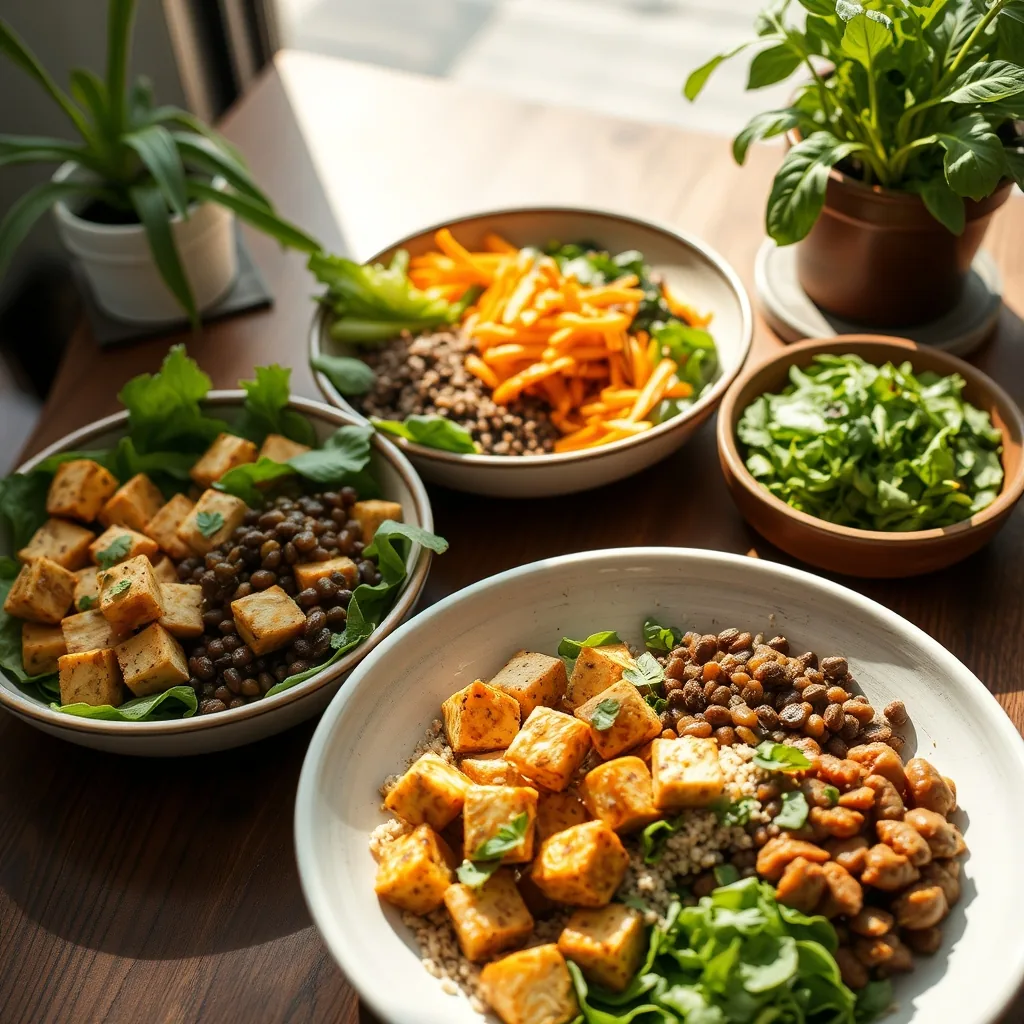
Some issues concerning various foods or treats, such as cake, chocolate, chips, gum, marshmallows and gummy candies, often contain unfamiliar animal ingredients, and may especially be a concern for vegetarians due to the likelihood of such combinations. The vegetarians may vary in their feelings regarding these ingredients. Often, animal-derived products, such as certain cheeses, gelatine or other animal-derived ingredients, are scrutinized by vegetarians prior to purchase or consumption. However, when properly planned, a vegan diet can be considerably healthier than the traditional diet. With planning, a vegan diet can provide all the nutrients and healthier lifestyle.
Two personalities Virginia Messina, MPH, RD, and Mark Messina, PhD, reiterated that a substitute for meat as protein using vegan diet has the likelihood of having 0.4 grams of protein per day for every pound of healthy body weight. If a vegan consumes adequate calories and eats a variety of foods, it is very difficult not to get enough protein. This is true for athletes as well. One need not combine foods at each meal to get “complete protein.” Source of protein are legumes, soy foods, and nuts. Grains and vegetables also contain significant amounts of protein.
Some questions regarding sugar are elaborated. Sugar is not an animal product and vegan does not oppose on this term. However, some refined sugar is processed with animal bone char. This charcoal is used to take away color, impurities, and minerals from sugar. It is a fact that charcoal is not ‘in’ the sugar, but it is used as filter in the process. In our experience, concentrating on processing or on trace ingredients can make a Nutritionist argue that vegan lifestyle with any diet requires planning vegan diet appear exceedingly difficult and dissuade people from adopting it.
Here, the question remains a matter of scientific debate and personal choice. The vegan lifestyle is an ongoing progression. Everyone should go at their own pace and remember that all steps towards veganism are positive. It is most important to focus on avoiding the products for which animals are bred and slaughtered. Animal by-products will exist as long as there is a demand for primary meat and dairy products. When it comes to avoiding items that contain small amounts of byproducts, vegans must decide for them where to draw the line. Some vegans will adjust their level of moderation according to the circumstances.
The vegan diet: Practical Checklist
Use this checklist to keep choices consistent: check labels, compare portions, plan two backup meals, and review how your body responds each week. Small repeatable decisions matter more than a perfect single day.
Related reading: Easy Vegan Banana Bread Recipe, Vegan Guide Fast Food Restaurants, Costa Rica Healing And Adventure Haven For Vegan R.
For evidence-based guidance, see the official nutrition resource.
Building a Routine That Lasts
Lasting change comes from small decisions repeated often. Pick two meals you already enjoy, improve their balance, and keep the ingredients on hand. Plan a backup option for busy days so one missed shopping trip does not derail the week. Review energy, digestion, and hunger every Sunday, then adjust one variable at a time instead of changing everything at once.
Reading Labels Without Guesswork
Start with the ingredient list, then compare the nutrition panel across similar products. Watch serving size, because a small package may contain two or three servings. Choose items with shorter ingredient lists when possible, and treat health claims as marketing until the numbers support them. A photo of the label makes comparison shopping faster on the next visit.
When to Ask a Professional
Seek personalized advice if you manage a medical condition, take prescription medication, are pregnant, or follow a restricted diet. A registered dietitian can review lab work, medications, and food access together. Bring a three-day food record and your questions so the appointment stays focused on changes you can realistically maintain.
Budget and Storage Basics
Buy seasonal produce, frozen vegetables, and dried staples when prices are lower. Cook once and portion into reusable containers for two or three days. Label containers with the date, cool food quickly, and reheat only what you plan to eat. This reduces waste and makes the healthy choice the easy choice on a busy evening.
Meal Planning for Busy Weeks
Choose two anchor meals and repeat them on your busiest days. Keep washed produce, cooked grains, and a protein ready in the refrigerator so a meal takes minutes instead of an hour. Write a short shopping list around those ingredients, shop once, and leave room for one flexible meal that uses leftovers. Consistency improves when the plan is simple enough to repeat.
the food: Quick Checklist
- Compare this option labels before buying.
- Choose the ingredient options that fit your budget.
- Plan one the vegan diet meal before the week starts.
- Keep a short list of trusted the vegan diet sources.
- Review how the vegan diet choices affect your energy.
- Store the vegan diet ingredients where you can see them.
- Ask questions about the vegan diet when shopping.
- Track the vegan diet habits for one week.
- Adjust the vegan diet portions gradually.
- Share the vegan diet meals with family or friends.
How do I start with the vegan diet?
Start with one small change you can repeat daily. Track portions for a week, keep meals simple, and adjust based on energy, digestion, and consistency rather than chasing a perfect plan.
How long before I see results?
Most people notice steadier energy and better digestion within two to four weeks. Body composition changes usually take six to twelve weeks of consistent eating and activity.
What mistakes should I avoid?
Avoid extreme restriction, skipping meals, and copying plans that ignore your budget or medical needs. Build meals from familiar foods and get professional advice for health conditions.

Wibi Sena is a senior nutrition writer at Organic Raw Diet covering evidence-based vegan nutrition and plant protein. 5+ years, 200+ guides. Method: RCTs, USDA database, and Cochrane reviews. Author of 1,641 nutrition guides since 2022.