

Healthy And Unhealthy Foods For Kids: A Practical Guide
Table of Contents
Healthy and unhealthy foods for kids explained: this guide covers practical steps, daily targets, and simple food choices.
The most common difficulty amid young ones nowadays is poor nourishment when it arrives to food intake. Since we are now in a modern financial state, meals are now processed with preservatives. Suppliers do this to lengthen the lifestyle of their products. Processed meals are superior in sugar, extra fat and salt that typically offers ailments or sure ailments. The most widespread damaging outcomes of consuming harmful lunch amid young children nowadays are obesity, liver disorders, diabetic issues, very poor faculty overall performance, and heart complications.
Poor General performance In School
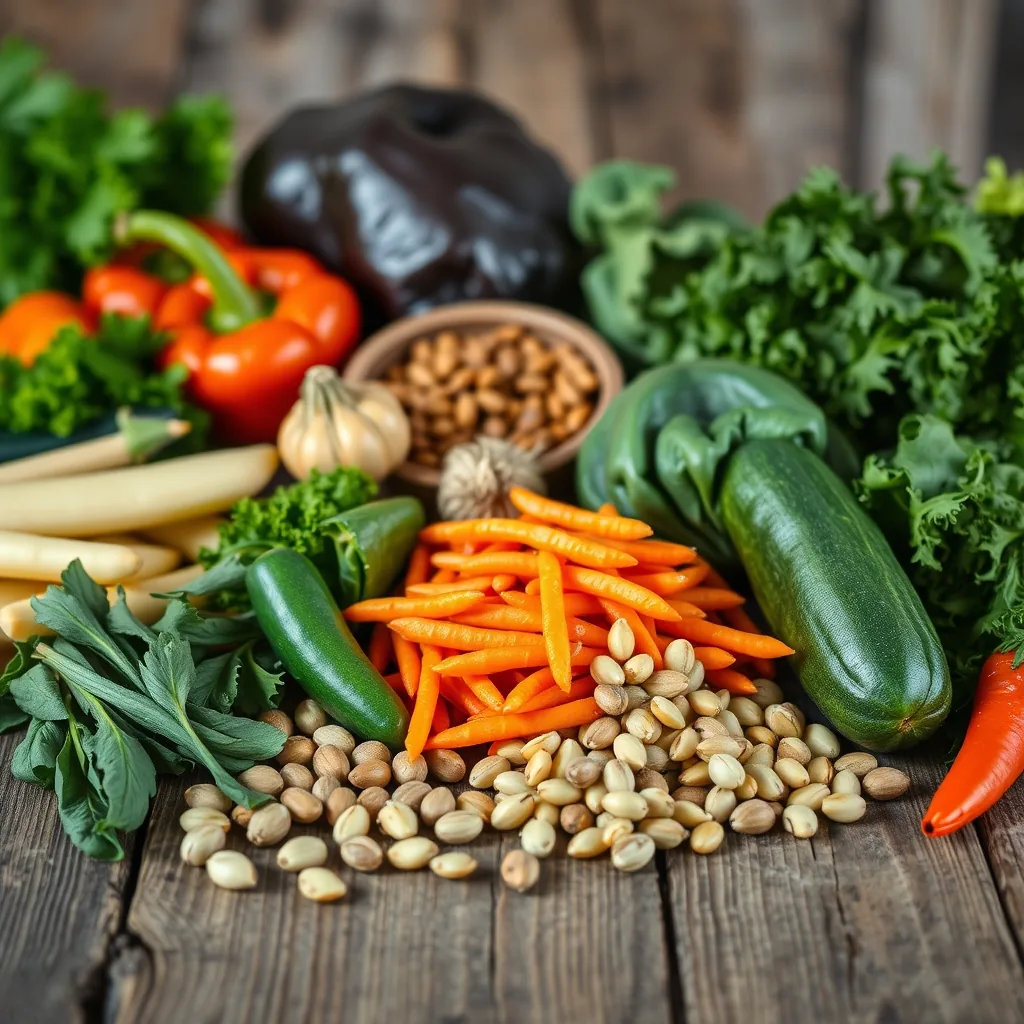
Most of the time, when a child does not get all of the vitamins and minerals he will need, he often present a sluggish general performance in college. They have weak progress when it comes to assessment, and they also get exhausted on faculty routines. Those people who do not eat a balanced diet regime typically absence concentration and focus. A nutritious meal is the greatest issue to consider if we want the kids to have a balanced brain and system.
Heart Ailments
Food that is significant in sodium can direct to stroke, superior-blood strain and selected coronary heart health conditions. A lot of colleges nowadays prepare lunch foods like packed food stuff mixes, ketchup, potato chips, canned foods, pizza meat, scorching canine, some tortilla, French fries, salad dressings, flavored rice, white bread, processed cheese, ham, luncheon meats, and other foods that has preservatives.
Being overweight
Harmful food items between youngsters also will cause being overweight. Processed foodstuff are superior in saturated fat and sugar. Some of the food items that is higher in fat includes French fries, fried chicken, processed cheese, very hot pet dogs and pizza. Mom and dad need to have to put together packed lunch that is high in fiber, vitamins and minerals. Because just about each just one at present are extremely fast paced on their schedules, one particular can also order healthier plates from a lunch delivery restaurant just like Ogden lunch supply.
Liver Sickness
When we try to eat meals that are normally processed, the physique generates extra insulin and it leads to an elevated danger of acquiring a fatty liver. The body fat can be stored in the veins and the liver.
Diabetes
Corn syrup and fructose observed in processed food can guide to diabetes. Several children these days enjoys to consume sweet and processed ham or hotdogs.
Deficiency of Vitamins
Rather of providing the children some processed foodstuff for their lunch, involve them to eat fruits, vegetables, fish, and simple rice. In addition, to their well balanced diet plan, we have to have to make absolutely sure that they get a each day dose of nutritional vitamins and minerals from loaded and healthier food items.
Healthy and unhealthy foods for kids: Practical Checklist
Use this checklist to keep choices consistent: check labels, compare portions, plan two backup meals, and review how your body responds each week. Small repeatable decisions matter more than a perfect single day.
Related reading: Healthy Foods For Diets, Foods For Healthy Body And Mind, Healthy Food Chart For Kids.
For evidence-based guidance, see the official nutrition resource.
Building a Routine That Lasts
Lasting change comes from small decisions repeated often. Pick two meals you already enjoy, improve their balance, and keep the ingredients on hand. Plan a backup option for busy days so one missed shopping trip does not derail the week. Review energy, digestion, and hunger every Sunday, then adjust one variable at a time instead of changing everything at once.
Reading Labels Without Guesswork
Start with the ingredient list, then compare the nutrition panel across similar products. Watch serving size, because a small package may contain two or three servings. Choose items with shorter ingredient lists when possible, and treat health claims as marketing until the numbers support them. A photo of the label makes comparison shopping faster on the next visit.
When to Ask a Professional
Seek personalized advice if you manage a medical condition, take prescription medication, are pregnant, or follow a restricted diet. A registered dietitian can review lab work, medications, and food access together. Bring a three-day food record and your questions so the appointment stays focused on changes you can realistically maintain.
Budget and Storage Basics
Buy seasonal produce, frozen vegetables, and dried staples when prices are lower. Cook once and portion into reusable containers for two or three days. Label containers with the date, cool food quickly, and reheat only what you plan to eat. This reduces waste and makes the healthy choice the easy choice on a busy evening.
Meal Planning for Busy Weeks
Choose two anchor meals and repeat them on your busiest days. Keep washed produce, cooked grains, and a protein ready in the refrigerator so a meal takes minutes instead of an hour. Write a short shopping list around those ingredients, shop once, and leave room for one flexible meal that uses leftovers. Consistency improves when the plan is simple enough to repeat.
Hydration and Daily Habits
Keep water visible and drink with meals and snacks. Pair a new habit with an existing one, such as filling a bottle after breakfast or taking a short walk after dinner. Track the habit for two weeks, then keep the parts that feel automatic. Small routines support digestion, energy, and appetite control without requiring a rigid schedule.
this food: Quick Checklist
- Compare the food labels before buying.
- Choose this option options that fit your budget.
- Plan one healthy and unhealthy foods for kids meal before the week starts.
- Keep a short list of trusted healthy and unhealthy foods for kids sources.
- Review how healthy and unhealthy foods for kids choices affect your energy.
- Store healthy and unhealthy foods for kids ingredients where you can see them.
- Ask questions about healthy and unhealthy foods for kids when shopping.
- Track healthy and unhealthy foods for kids habits for one week.
- Adjust healthy and unhealthy foods for kids portions gradually.
- Share healthy and unhealthy foods for kids meals with family or friends.
How do I start with healthy and unhealthy foods for kids?
Start with one small change you can repeat daily. Track portions for a week, keep meals simple, and adjust based on energy, digestion, and consistency rather than chasing a perfect plan.
How long before I see results?
Most people notice steadier energy and better digestion within two to four weeks. Body composition changes usually take six to twelve weeks of consistent eating and activity.
What mistakes should I avoid?
Avoid extreme restriction, skipping meals, and copying plans that ignore your budget or medical needs. Build meals from familiar foods and get professional advice for health conditions.

Wibi Sena is a senior nutrition writer at Organic Raw Diet covering evidence-based vegan nutrition and plant protein. 5+ years, 200+ guides. Method: RCTs, USDA database, and Cochrane reviews. Author of 1,641 nutrition guides since 2022.