

Medifast Diet: How to Prepare for the 5 and 1 Plan
Table of Contents
Medifast diet planning starts with one clear idea: five fortified meal replacements and one lean and green meal each day. The structure is simple, but the preparation is what separates a smooth first month from a difficult one. This Medifast diet guide explains how the program works, what to buy, how to build the lean and green meal, and which safety steps to take before you begin.
The Medifast diet is a commercial meal-replacement program built around portion-controlled foods and a single self-prepared meal. It is related to the Optavia brand and is often used for short-term weight loss. Most plans are designed to create a calorie deficit without daily counting, which is why people choose it when they want a fixed routine.
How the 5 and 1 Structure Works
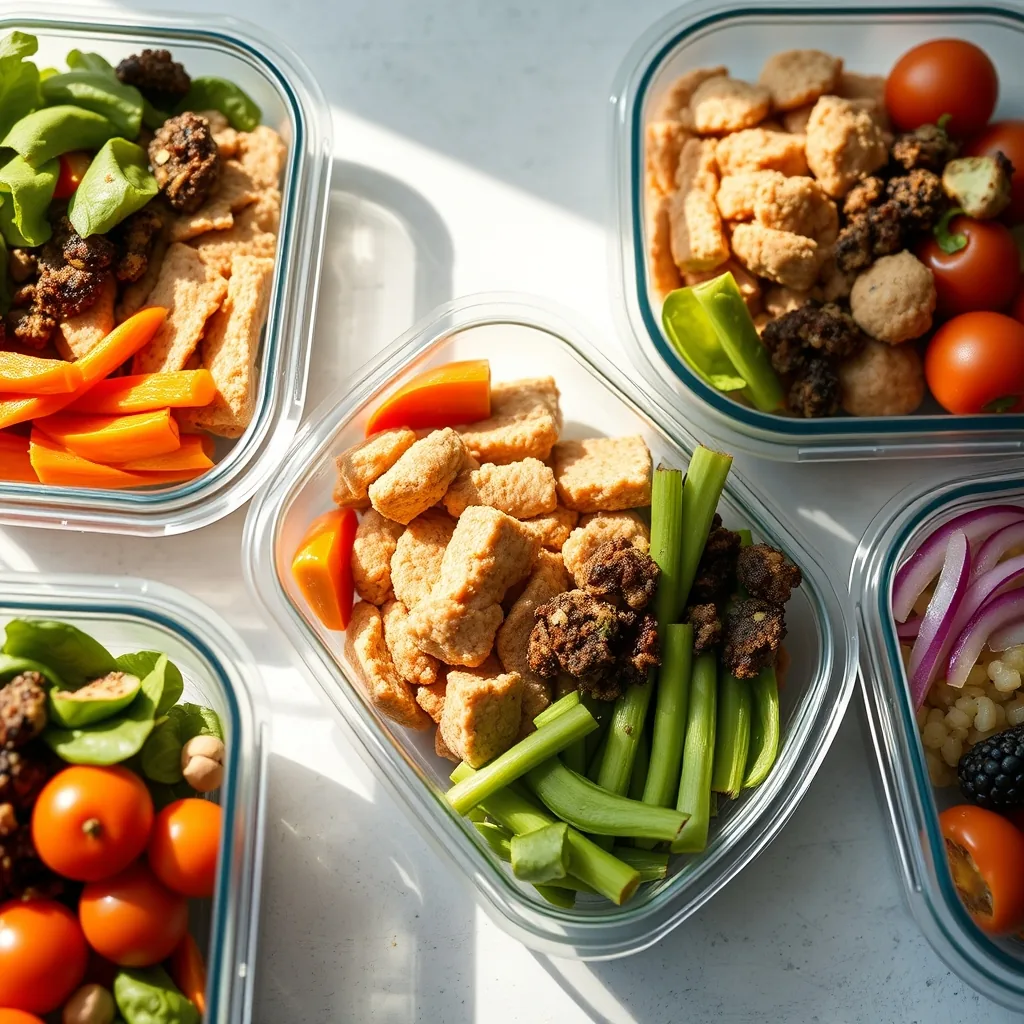
Each day includes five packaged fuelings and one lean and green meal. Fuelings are shakes, bars, soups, oatmeal, pasta dishes, or soft-baked snacks. The lean and green meal combines a measured portion of lean protein with non-starchy vegetables. Water and unsweetened drinks are encouraged throughout the day.
Fuelings are usually eaten every two to three hours. That schedule keeps hunger manageable and protects energy during the calorie deficit. The lean and green meal can be lunch or dinner, depending on your work schedule. Most people do better when they choose the same meal slot every day and protect it on the calendar.
The Medifast diet is not a free-for-all. Portion sizes still matter, especially for oils, dressings, cheese, and starchy vegetables. A food scale removes guesswork for the first two weeks and makes the lean and green meal repeatable.
What a Typical Day Looks Like
A practical day might start with a shake, follow with a bar at mid-morning, and include soup or oatmeal at lunch. The lean and green meal anchors the evening with grilled chicken or fish plus a large serving of vegetables. A final fueling closes the day. The exact order matters less than keeping the spacing consistent.
| Meal slot | Example | Why it helps |
|---|---|---|
| Breakfast | Chocolate shake | Fast, portable, and high in protein |
| Mid-morning | Peanut butter bar | Prevents the gap before lunch |
| Lunch | Chicken soup or oatmeal | Keeps the plan simple at work |
| Dinner | Lean and green meal | Adds whole-food volume and fiber |
| Evening | Soft-baked snack | Reduces late-night grazing |
Building a Lean and Green Meal
Start with a lean protein such as chicken breast, turkey, fish, tofu, or plain Greek yogurt. Add non-starchy vegetables: leafy greens, broccoli, peppers, zucchini, cauliflower, or green beans. Use a measured amount of healthy fat, such as olive oil or avocado, and season generously with herbs, citrus, and spices.
Keep the meal visually large. Volume matters for satiety when calories are low. A plate that is half vegetables, one quarter protein, and one quarter seasoning or sauce feels more satisfying than a small dense portion. Roasting or grilling vegetables brings out sweetness without added calories.
Plan three or four go-to combinations instead of improvising every night. Repetition lowers decision fatigue and makes shopping faster. A weekly rotation of chicken and broccoli, salmon and asparagus, turkey chili with peppers, and tofu stir-fry covers most schedules.
Calories, Nutrition, and Medical Caution
Many Medifast diet plans deliver roughly 800 to 1,000 calories per day, which is below what most adults eat normally. That level of restriction is why the program can produce fast early results, and also why medical guidance matters. A very low calorie plan is not appropriate for everyone.
Talk with a clinician before starting if you are pregnant or breastfeeding, take diabetes medication, have kidney or liver disease, have a history of eating disorders, or take blood thinners. Medication doses may need adjustment as weight changes. Do not start a restrictive plan during an acute illness or before surgery.
If you feel dizzy, unusually fatigued, constipated, or unable to concentrate, treat those symptoms as information. Adjust the plan with professional help rather than pushing through. Sustainable weight loss still depends on habits you can keep after the packaged food is gone.
Cost and Convenience
Meal replacement programs cost more per day than cooking from scratch, but less than many takeout habits. The real trade-off is time. Fuelings remove planning and cooking for most meals, which can be valuable during a busy season. Compare the monthly cost with your current grocery and restaurant spending before you commit.
Storage is simple: keep fuelings in one cabinet, away from snacks that are not part of the plan. Keep lean proteins and vegetables in visible parts of the refrigerator. Convenience works in your favor when the right choice is also the easiest choice.
7 Essential Steps Before You Start
- Set a start date that does not collide with travel, holidays, or major deadlines.
- Choose five fuelings you actually enjoy, not five that sound healthiest.
- Buy a food scale and measure the lean and green portions for the first two weeks.
- Plan three dinner templates and shop for them once per week.
- Set water and movement reminders for the times you normally snack.
- Tell one person about the plan so you have accountability.
- Write down your reasons and the exit plan for after the program ends.
Preparation also means protecting the transition. Decide in advance how you will add regular meals back, which habits you will keep, and how you will handle a missed day. A missed fueling is not a failure; return to the next scheduled meal instead of writing off the week.
Common Mistakes to Avoid
The most common mistake is treating the lean and green meal as unlimited. Oils, nuts, cheese, and starchy vegetables can quietly erase the deficit. The second mistake is skipping fuelings to speed up results, which usually leads to hunger, overeating, and dropping the plan.
Another mistake is ignoring hydration. Low calorie plans reduce water intake from food, so thirst can masquerade as hunger. Keep a bottle visible and drink with each fueling. Finally, do not confuse the packaged structure with long-term nutrition education. Use the program to practice portions, meal timing, and planning.
Medifast Diet vs Optavia
The two brands share a similar meal-replacement model, but the packaging, product names, and coaching options differ. Both use frequent small fuelings plus one self-prepared meal. The Medifast diet tends to be positioned as a direct weight-loss program, while Optavia places more emphasis on coaching and habit building.
Compare the total monthly cost, the number of fuelings included, and whether coaching is required. Do not assume that one program is more effective because it is more expensive. The best option is the one you can follow consistently and afford for the length of time you plan to use it.
A Sample Week on the Medifast Diet
Monday might be a shake, bar, soup, lean chicken salad, and a soft-baked snack. Tuesday could use oatmeal, a bar, chili, turkey and vegetables, and a shake. Wednesday can repeat Monday if that reduces decisions. The goal is a repeatable pattern, not gourmet variety every day.
Save the lean and green meal for the time of day when you are most likely to cook. For many people that is dinner. For shift workers it may be breakfast. Match the plan to your real schedule instead of an ideal one. Prepare vegetables on Sunday so weeknight assembly takes ten minutes.
Keep two emergency fuelings in your bag or desk drawer. Hunger plus no plan is the fastest route to abandoning the Medifast diet on a busy afternoon. A bar and a bottle of water buy enough time to get home and make the planned meal.
Eating Out and Travel
Restaurant meals are manageable when you choose grilled protein, steamed vegetables, salad with dressing on the side, and water. Ask for sauces separately. Avoid fried appetizers, creamy pastas, and oversized desserts. Portion the lean protein with your hand if you do not have a scale.
Travel days require packing fuelings in advance. Carry bars and shakes that do not need refrigeration, and check airline rules for liquids. At a hotel, request a refrigerator if possible and buy pre-washed vegetables and cooked chicken from a nearby store.
Do not aim for perfection while traveling. Aim for the structure: a protein-forward meal, vegetables, water, and a planned snack. One imperfect meal does not undo the week. Return to the normal Medifast diet rhythm at the next opportunity.
Transitioning Off the Medifast Diet
The transition deserves as much planning as the start. Suddenly returning to previous portions often leads to rapid regain. Add regular meals gradually while keeping protein high, vegetables visible, and the meal schedule consistent.
Keep the habits that worked: measuring portions, planning three dinners, carrying water, and eating every few hours. Replace packaged fuelings with simple combinations such as yogurt and fruit, eggs and toast, or a chicken and vegetable bowl. Continue strength training to protect muscle.
Set a maintenance range rather than a single number on the scale. Weigh weekly and act on a trend of several pounds, not a single salty meal. If weight creeps up, return to the structure of the Medifast diet for a short reset rather than waiting for a large regain.
Hydration and Common Side Effects
Water intake matters more on a Medifast diet because packaged foods contain less water than fresh meals. Aim for eight to ten cups spread through the day, and add more in hot weather or during exercise. Herbal tea and sparkling water count, but sweetened drinks do not.
Constipation is a common early complaint. Increase non-starchy vegetables, drink enough fluid, and move daily. If symptoms persist for more than a week, talk with a clinician. Do not use the Medifast diet as a reason to ignore persistent dizziness, nausea, or fatigue.
Frequently Asked Questions
Most people want to know whether the program is safe, how fast results appear, and what happens afterward. The answers below focus on realistic expectations and the questions a clinician is likely to ask.
Related Medifast Guides
If you are comparing products, read the guide to Medifast bars and the breakdown of lean and green calories. For ordering details, see where to buy Medifast.
For independent guidance on weight management and very low calorie diets, review the NIDDK weight management resource.
Do I need medical supervision before starting?
Talk with a clinician first if you take medication, have diabetes, kidney disease, a history of disordered eating, or are pregnant. Very low calorie plans can change blood sugar and blood pressure quickly, so monitoring and dose adjustments may be needed.
Can I exercise while using meal replacements?
Light walking and strength training are usually fine, but intense training may be difficult on a low calorie intake. Start slowly, hydrate, and adjust the volume based on energy. Ask a professional if you feel dizzy or unusually fatigued during workouts.
How do I maintain weight after the program?
Add regular meals gradually while keeping protein high and vegetables visible. Continue strength training, weigh yourself weekly, and act on trends rather than single readings. Planning the transition before you finish the packaged food makes long-term maintenance more likely.

Wibi Sena is a senior nutrition writer at Organic Raw Diet covering evidence-based vegan nutrition and plant protein. 5+ years, 200+ guides. Method: RCTs, USDA database, and Cochrane reviews. Author of 1,641 nutrition guides since 2022.