

Slow Cooker Recipes: How to Adapt Any Meal Safely
Table of Contents
Slow cooker recipes reward planning more than technique. A few rules about liquid, timing, and temperature turn ordinary ingredients into tender meals, while a few common mistakes turn them into watery or overcooked ones. This guide explains how to adapt the recipes you already cook and how to build a reliable weekly rotation.
The slow cooker is a moist-heat method. Food cooks gently in a sealed pot at a low temperature for hours. That environment is ideal for tough cuts, dried beans, root vegetables, and soups. It is less ideal for quick-cooking pasta, delicate fish, and crisp vegetables, which should be added late or cooked separately.
Why Slow Cooker Recipes Work
Long, gentle heat breaks down collagen in tough meat and softens plant fibers. The sealed lid traps steam, so flavors concentrate instead of evaporating. Because the pot does not need attention, slow cooker recipes fit busy weekdays and batch cooking.
Energy use is modest compared with an oven, and the pot does not heat up the kitchen. Cleanup is usually one insert plus a few tools. Those practical advantages matter when you are trying to cook more often instead of ordering takeout.
How to Adapt a Regular Recipe
Reduce liquid by about one third to one half. A conventional stew that calls for four cups of broth may need only two and a half to three cups in a slow cooker because the lid prevents evaporation. You can always add more at the end, but you cannot easily remove excess liquid.
Brown meat and aromatics first when you have time. Browning adds flavor that the moist environment cannot create. It is optional for convenience, but it makes a noticeable difference in chili, pot roast, and pulled pork. Deglaze the pan with a little broth and add that liquid to the pot.
Add dairy, fresh herbs, and delicate greens near the end. Milk and cream can separate during long cooking, and herbs lose their brightness. Stir in yogurt, cream, spinach, or basil during the last fifteen minutes. Thicken sauces with cornstarch slurry or a little mashed potato rather than boiling uncovered.
| Conventional method | Low setting | High setting |
|---|---|---|
| Simmer 30 minutes | 3 to 4 hours | 1.5 to 2 hours |
| Simmer 1 hour | 4 to 6 hours | 2 to 3 hours |
| Braise 2 hours | 6 to 8 hours | 3 to 4 hours |
| Braise 3 hours | 8 to 10 hours | 4 to 5 hours |
Food Safety Rules That Matter
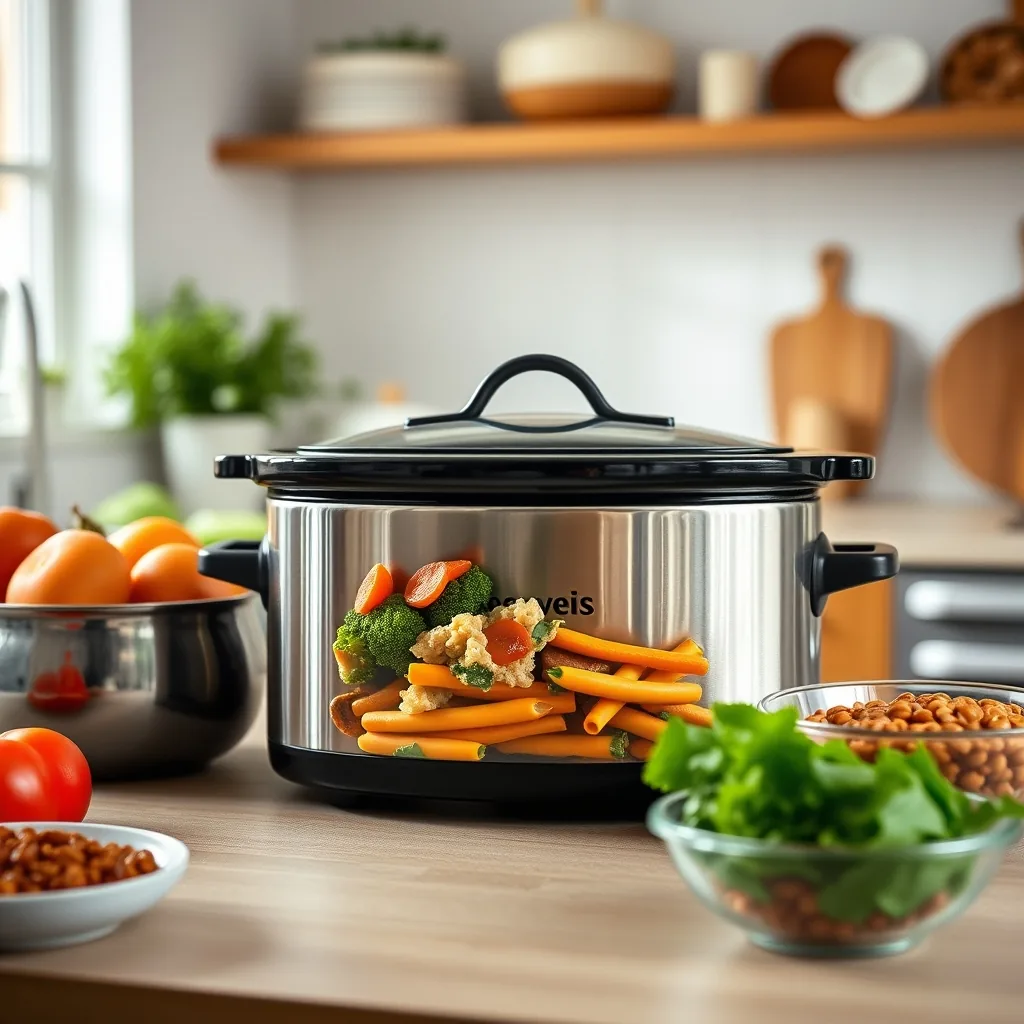
Keep the lid closed. Every time you lift it, the internal temperature drops and cooking time increases. Do not put a frozen roast into the pot; thaw it first so the outside does not spend hours in the temperature danger zone. Cut large pieces into smaller, even chunks.
Poultry should reach 165°F, ground meat 160°F, and whole cuts of pork or beef 145°F with a rest time. Use a digital thermometer instead of judging by color. Do not cool leftovers on the counter; divide them into shallow containers and refrigerate within two hours.
If the power fails and you are not home, discard the food unless you know the pot stayed above 140°F. Reheating does not fix food that sat too long in the danger zone. When in doubt, throw it out.
12 Proven Tips for Better Results
- Use the right size pot; a pot that is too full cooks unevenly.
- Cut vegetables into similar sizes so they finish together.
- Put root vegetables on the bottom, where the heat is strongest.
- Season in layers, but add salty ingredients near the end.
- Use less liquid than you think you need.
- Brown meat for deeper flavor when time allows.
- Add quick-cooking vegetables in the last thirty minutes.
- Stir dairy and fresh herbs in at the end.
- Keep the lid closed during cooking.
- Check doneness with a thermometer, not the clock alone.
- Let large cuts rest before slicing.
- Store leftovers in portions for fast weekday meals.
Five Reliable Recipe Templates
Chicken chili. Combine chicken breast, canned tomatoes, beans, onion, peppers, and chili powder. Cook on low for six hours, then shred the chicken and adjust seasoning. Add a squeeze of lime before serving.
Chickpea curry. Combine chickpeas, coconut milk, tomatoes, onion, garlic, ginger, and curry powder. Cook on low for five hours. Stir in spinach at the end and serve with rice.
Pulled chicken. Cook chicken thighs with broth, garlic, smoked paprika, and a little vinegar. Shred and use in tacos, bowls, or salads. The leftovers freeze well.
Lentil soup. Combine lentils, carrots, celery, onion, tomatoes, and vegetable broth. Cook on low for six to eight hours. Add lemon and parsley before serving.
Steel-cut oats. Combine oats, water, cinnamon, and a pinch of salt. Cook on low overnight. Portion into containers and top with fruit and nuts in the morning.
Meal Prep and Weekly Rotation
Cook one protein, one bean dish, and one soup each week. That combination covers lunches, dinners, and emergency meals. Portion into shallow containers, label with the date, and refrigerate for up to four days or freeze for longer storage.
Keep a short list of tested slow cooker recipes and rotate them. New recipes are easier to evaluate when the rest of the week is familiar. After each attempt, note the liquid level, cooking time, and seasoning adjustments so the next batch improves.
Common Mistakes to Avoid
Overfilling the pot, skipping the browning step, and adding too much liquid are the three most common problems. Another is cooking lean cuts for too long; chicken breast and pork tenderloin dry out faster than thighs or shoulder. Use the right cut for the method.
Do not treat the slow cooker as a set-and-forget appliance without a backup plan. If you will be away longer than the recipe allows, use a programmable model or choose a recipe designed for the longer window. Timing still matters.
Best Cuts for Slow Cooker Recipes
Shoulder, chuck, brisket, thighs, and pork butt have enough connective tissue to stay tender during long cooking. Lean cuts such as chicken breast and pork loin dry out faster, so reduce the time or add liquid and monitor doneness. For plant-based meals, mushrooms, eggplant, and dried beans hold up well.
Cut meat into even pieces so slow cooker recipes finish at the same time. Trim large pockets of fat, but leave a little for flavor. Pat the meat dry before browning so it sears instead of steaming.
Vegetarian Slow Cooker Recipes
Beans, lentils, chickpeas, tofu, and tempeh work well in slow cooker recipes. Dried beans need enough water and a long cook, and some varieties require a full boil before slow cooking to destroy natural toxins. Check the package instructions for kidney beans in particular.
Add firm tofu in the last hour so it does not disintegrate. Stir tempeh in near the end for texture. Finish with lemon, vinegar, or yogurt to brighten the flavor. Vegetarian meals often need more seasoning because they lack the fat and salt of meat.
Layer hardy vegetables on the bottom and quick-cooking greens on top near the end. A spoonful of tomato paste, soy sauce, or miso adds depth without a long ingredient list. Taste before serving and adjust salt, acid, and heat.
Troubleshooting Texture
If a dish is watery, remove the lid for the last thirty minutes on high or thicken with cornstarch slurry. If it is dry, the cut was too lean or the time too long. If it is mushy, reduce the time and add vegetables later. Keep notes so the next batch improves.
Bitterness often comes from burnt garlic or old herbs. Add fresh garlic near the end and replace spices that have lost their aroma. A dull flavor usually needs acid rather than more salt; try lemon, vinegar, or hot sauce.
Freezing and Reheating Slow Cooker Recipes
Cool leftovers quickly in shallow containers, then refrigerate or freeze within two hours. Label each container with the recipe name and date. Most slow cooker recipes freeze well for two to three months, though potatoes and pasta can change texture.
Reheat only the portion you plan to eat and bring it to a safe internal temperature. Stir halfway through reheating so the center heats evenly. Add fresh herbs or a squeeze of citrus after reheating to restore brightness.
Keep a freezer inventory on the door. A few portions of soup, chili, and pulled chicken turn a chaotic evening into a planned meal. That is the practical advantage of slow cooker recipes: they make future cooking easier, not just tonight.
Choosing the Right Slow Cooker
Size matters for slow cooker recipes. A three- to four-quart pot suits a couple or small batch, while a six- to eight-quart pot handles family meals and leftovers. A pot that is too large can overcook small portions; a pot that is too full cooks unevenly.
Look for a removable insert, a tight lid, and a programmable timer. A warm setting helps hold food safely after cooking, but do not rely on it for more than two hours. Oval shapes fit roasts better, while round shapes suit soups and chili.
Test a new appliance with a simple recipe before trusting it for a workday meal. The first batch of slow cooker recipes is also a test of the pot, so stay nearby and check the texture early. Confirm that the low and high settings actually reach a simmer. Cheap models can run hot, so check doneness earlier the first time you use them.
Frequently Asked Questions
Home cooks usually ask about conversion times, food safety, and whether they can leave the pot on all day. The answers below cover the practical questions that come up most often.
Related Slow Cooker Guides
For more ideas, browse quick and easy crockpot dishes, try slow cooker dip recipes, and compare healthy slow cooker recipes under 300 calories.
For safe temperatures and storage guidance, see the USDA food safety basics.
Can I put frozen meat in the slow cooker?
Thaw meat first. Frozen meat can spend too long in the temperature danger zone before the center heats up. Cut large pieces into even chunks, keep the lid closed, and confirm doneness with a thermometer rather than relying on the clock.
How much liquid should I add?
Start with less than a conventional recipe calls for, usually one third to one half less, because the sealed pot traps steam. You can add broth at the end, but removing excess liquid takes extra time. Thicken with cornstarch if needed.
Is it safe to leave the pot on all day?
Use a programmable model and follow the recipe timing. Food held on warm for more than two hours should be checked carefully. If the power fails while you are away, discard the food unless you know it stayed above 140 F.

Wibi Sena is a senior nutrition writer at Organic Raw Diet covering evidence-based vegan nutrition and plant protein. 5+ years, 200+ guides. Method: RCTs, USDA database, and Cochrane reviews. Author of 1,641 nutrition guides since 2022.