

Mental Illness Wikipedia: Safe Choices for Daily Life
Table of Contents
Mental illness wikipedia explained: this guide covers practical steps, daily targets, and simple food choices.
In medieval times, whether in Europe, China, or elsewhere, the most common medicine came in the form of herbs. Though what was believed to work back then doesn’t always hold up to modern research. An herbalist is a professional trained in herbalism (the use of herbs). A midwife, a woman who cares for pregnant women from prenatal stage through birth, would often use herbs in her craft. An apothecary is one that prepares and sells drugs and medicines, similar to a modern pharmacist.
Medieval folklore vs current research
Folklore surrounds herb lore. Angelica fennel and basil were said to protect against witches, and garlic would of course keep werewolves and vampires away. In some cultures, basil is associated with scorpions; they feared that scorpions would grow under pots of basil and that smelling the aroma would actually cause scorpions to grow in the brain. Yet in Italy, suitors signaled their love by courting with a sprig of basil in their hair.
Sage was considered the cure-all of medieval times, believed to cure anything from snake bite to mental illness. In truth, it doesn’t help with all problems, but it does have many positive properties. It reduces excessive perspiration, helps digestive problems, sore throats, premenstrual cramps, and high blood sugar. It also helps prevent depletion of a neurotransmitter in the brain that is crucial to brain function and combined with ginkgo, biloba, and rosemary may help prevent or slow Alzheimer’s.
Fantasy Purposes
In your own world-building, you can choose to use existing herbs, or create your own. I prefer a mixture. I’ll use common herbs in many cases, but then make one up if I can’t find one that has the properties I need. You can use the unproven folklore for your inspiration, or go with the proven properties. The most important part, at least in a fantasy or medieval set world, is that those treating the sick believe in the treatment, not whether that treatment is medically sound.
Whether using real herbs or invented, you’ll want to make note of where the plant grows, what it looks like, and its medical properties. I keep a chart that lists the herbs I mention in my book along with their descriptive notes. There are many herb guides in both book and online form. A search for ‘herbs’ will come up with a good long list. If you’re going the realistic approach, you will want to check the online pages to make sure it’s not a role-player’s or writer’s list of herbs in their own created worlds.
Definitions
When thinking of herbal remedies, the first thing that comes to mind is herbal tea. But there are many different treatments for plants and other medicine. The following definitions were culled from their entries on Wikipedia.
An ointment is a viscous semisolid preparation used topically on a variety of body surfaces. An ointment may or may not be medicated.
A poultice is a soft moist mass, often heated and medicated, that is spread on cloth over the skin to treat an aching, inflamed, or painful part of the body. Poultice should generally not be applied over an open wound, as it may slow the healing process or cause infection.
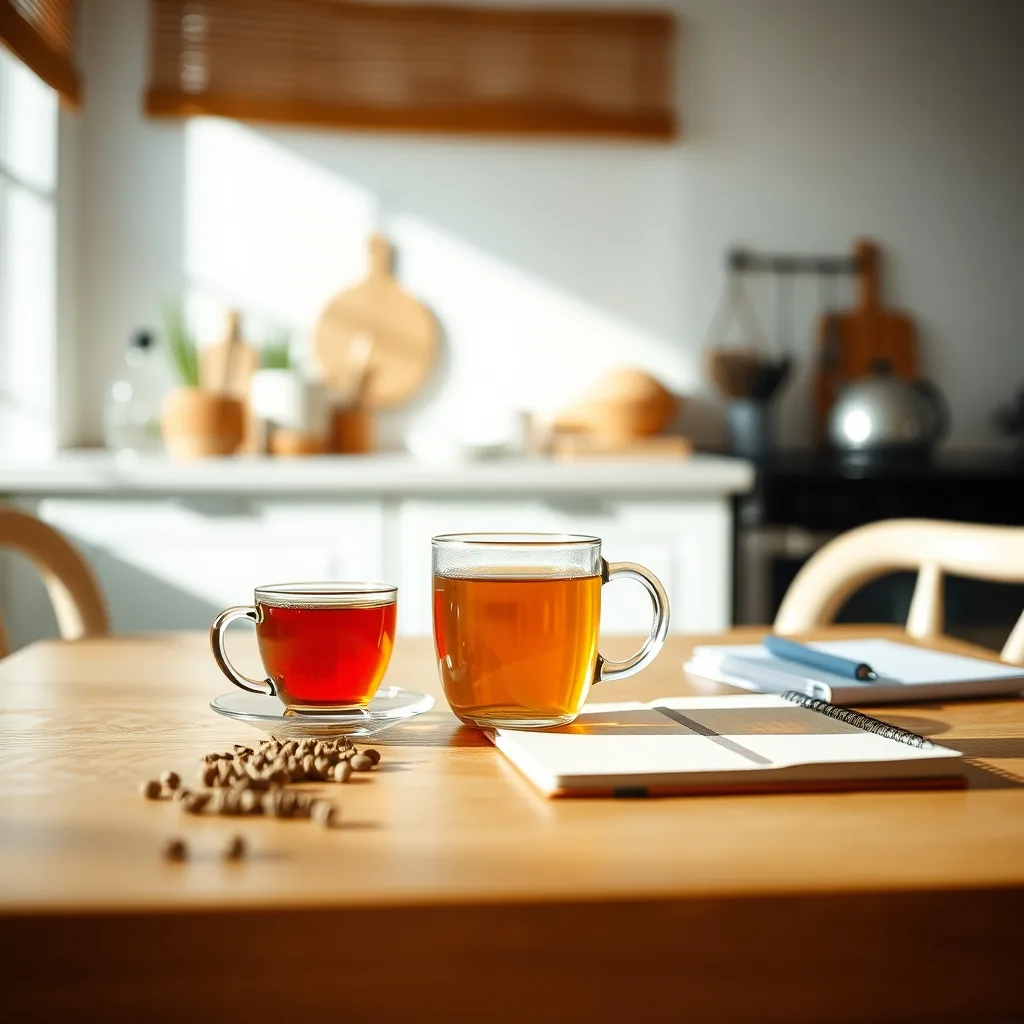
An herbal tea, tisane, or ptisan is an herbal infusion not made from the leaves of the tea bush. (Varieties of “real” tea include black, oolong, green, yellow, and white tea.) Tisanes can be made with fresh or dried flowers, leaves, seeds or roots, generally by pouring boiling water over the plant parts and letting them steep for a few minutes. Seeds and roots can also be boiled on a stove. The tisane is then strained, sweetened if so desired, and served.
A potion is a drinkable medicine or poison. Usually related to magic.
A tincture is an alcoholic extract (e.g. of an herb) or solution of a nonvolatile substance.
An infusion is a method of preparing herbs in which 1 to 2 teaspoons of dried herb or 2 to 4 fresh herbs (flowers and berries are substitutable) is “infused” or placed in oil or boiling water, and then, after about ten minutes, is strained. Waiting too long before straining results in bitter tasting herbs. The herb/botanical is then removed from the oil and the oil is used in the many formulas that call for short-term infused oils.
When looking at descriptions of herbs, the following terms from an herbal glossary may help:
Antiseptic: This herb combats and neutralizes pathogenic bacteria and prevents infection
Astringent: This herb has a constricting or binding effect, for example: one that checks hemorrhages or secretions by coagulation of proteins on a soft surface
Hemostatic: This herb stop bleeding
Parasiticide: This herb kills parasites and worms
Tonic: This herb restores, nourishes, and supports the entire body; it exerts a gently strengthening effect on the body
To use herbs effectively in your fiction, you’ll want to do your own research to decide which ones fit your purpose. Even with a world where all the herbs of your creation, it would benefit you to be familiar with the terms I’ve mentioned.
Mental illness wikipedia: Practical Checklist
Use this checklist to keep choices consistent: check labels, compare portions, plan two backup meals, and review how your body responds each week. Small repeatable decisions matter more than a perfect single day.
Related reading: Mental Illness Wikipedia, Mental Illness Wikipedia, Mental Illness Wikipedia.
For evidence-based guidance, see the official nutrition resource.
this food: Quick Checklist
- Compare the food labels before buying.
- Choose this option options that fit your budget.
- Plan one the ingredient meal before the week starts.
- Keep a short list of trusted it sources.
- Review how this choice choices affect your energy.
- Store the topic ingredients where you can see them.
- Ask questions about mental illness wikipedia when shopping.
- Track mental illness wikipedia habits for one week.
- Adjust mental illness wikipedia portions gradually.
- Share mental illness wikipedia meals with family or friends.
How do I start with mental illness wikipedia?
Start with one small change you can repeat daily. Track portions for a week, keep meals simple, and adjust based on energy, digestion, and consistency rather than chasing a perfect plan.
How long before I see results?
Most people notice steadier energy and better digestion within two to four weeks. Body composition changes usually take six to twelve weeks of consistent eating and activity.
What mistakes should I avoid?
Avoid extreme restriction, skipping meals, and copying plans that ignore your budget or medical needs. Build meals from familiar foods and get professional advice for health conditions.

Wibi Sena is a senior nutrition writer at Organic Raw Diet covering evidence-based vegan nutrition and plant protein. 5+ years, 200+ guides. Method: RCTs, USDA database, and Cochrane reviews. Author of 1,641 nutrition guides since 2022.